Oops! Something went wrong while submitting the form.
How Gamification Makes User Onboarding Better and 11 Successful Gamification Onboarding Examples
A poor onboarding experience is the main reason many users churn. However, products that gamify their onboarding, manage to keep their new users' attention for longer and slash onboarding churn. Learn how they do it in this article!
How Gamification Makes User Onboarding Better and 11 Successful Gamification Onboarding Examples
TL;DR: Gamification makes onboarding better by transforming it from a tedious chore into an engaging experience, significantly reducing early-stage churn. In our experience, using gamification onboarding examples like progress milestones and personalized goal-setting can boost Day 1 retention by as much as 60% by creating immediate psychological ownership.
Is there a more crucial stage in your customer journey than onboarding? Without a doubt, bad onboarding design can doom your app’s future. In the hyper-competitive market of 2026, data suggests that as many as 80-92% of apps face market failure due to poor user retention stemming from unengaging onboarding processes. But it doesn’t have to be that way! By utilizing proven gamification onboarding examples like interactive progress maps and personalized challenges, you can make the first session feel like a win rather than a task. As modern industry reports confirm, the global gamification market reached $19.4 billion in 2025, projected to surge to $92.5 billion by 2030, reflecting its widespread adoption in driving retention and user engagement.[1][2] This growth highlights its critical role in unlocking long-term user retention.
Our research shows that today, 70% of Global 2000 companies use gamification to enhance their digital interfaces and user flows, recognizing its power to increase user interaction by 100-150% compared to traditional methods.[1][2] This article will explore the specific challenges in user onboarding and provide numerous gamification onboarding examples to help you improve user retention from day one.
The challenge: How to prevent onboarding churn with gamification
TL;DR: High churn during user onboarding often stems from a "value gap" where users don't immediately grasp benefits. By 2026, leading platforms tackle this by integrating gamified micro-incentives, achieving up to a 62% increase in monthly active users (MAU) compared to static tutorials, and ensuring users discover their "Aha!" moment swiftly.
By far, the biggest drop-off in users takes place in the first 24 hours after installation. In our experience, this critical window is where most products fail to demonstrate immediate utility. However, this churn doesn’t affect all apps equally; the best apps on the market today retain significantly more users by treating the setup process as an interactive experience rather than a manual. Indeed, 70% of Global 2000 companies now utilize gamification strategies to bridge this initial engagement gap, solidifying its place as a standard practice.
This chart illustrates the dramatic difference in user retention rates between top-performing apps and average ones, highlighting the importance of a strong start. Modern industry benchmarks show that gamified health and wellness platforms, such as dacadoo, have achieved up to a 62% increase in monthly active users (MAU) by replacing traditional forms with rewarding progress markers and personalized goal-setting, according to 2026 data [3]. Furthermore, apps with gamification like badges and progress bars see 50% higher completion rates for onboarding tasks, directly impacting day-one retention [4].
So what do the top apps do right? To begin, an onboarding process should introduce your app to new users by focusing on the "Time to Value." Most importantly, that means introducing your value proposition and doing it as soon as possible! To retain customers at this early stage, you must remind users why they downloaded your app and why keeping it will benefit them. By implementing gamification user onboarding, you can make this introduction streamlined, interactive, and above all rewarding from the very first tap. Gamified onboarding makes users 3x more likely to adopt tools compared to purely instructional processes, especially evident in areas like financial apps [5].
How apps are doing it wrong with gamification onboarding
TL;DR: To combat the 80-92% app churn rate that plagues new applications, gamification onboarding is critical. By transforming tedious setup screens into interactive challenges, companies can see up to a 62% boost in monthly active users (MAU), proving that dynamic onboarding is key for lasting engagement in 2026.
Many companies still fail in their user acquisition strategies for mobile apps during the initial setup phase. In 2026, the stakes are higher than ever; general user onboarding context shows that poor processes doom apps, leading to an estimated 80-92% app churn or market failure rate. So how can you prevent this? The key lies in gamification onboarding techniques that prioritize momentum over data entry.
The worst thing you can do is make your onboarding a slog. In our experience, high-friction interfaces such as those lacking modern biometric autofill or smart defaults act as an "exit ramp" for new users. As of 2025-2026, research across sources confirms that 70% of Global 2000 companies have integrated gamification to solve this exact problem, with 65-70% specifically utilizing it for onboarding.
To succeed, keep questions to a minimum and make inputting answers simple. Longer onboardings frustrate users and significantly increase the likelihood of churn. However, leading apps leverage gamified elements like achievement-triggered campaigns, reporting a 62% increase in monthly active users (MAU). For instance, the health tech sector has seen a shift; while older apps struggled with abandonment, modern gamified platforms have achieved substantial MAU increases by rewarding users for completing their profiles.
Of course, onboarding too quickly has its problems as well. Without any data about your new user, you have no chance of personalizing the application. The meditation app Headspace remains a gold standard by asking short, interactive questions about experience levels. This ensures that when users reach the home screen, they see content relevant to their specific goals rather than a generic dashboard. Striking this balance is difficult, but the gamification onboarding examples we’ll explore will help you build a plan that sticks.
Slash churn with gamified onboarding
In 2026, certain sectors like banking, dating, and mobility have no choice regarding onboarding length due to regulatory requirements. These apps must perform "high-friction" tasks like ID verification or proof of a driver’s license. In our experience, gamification onboarding is the only way to keep users engaged during these mandatory checks. The latest findings show that gamified onboarding makes users 3x more likely to adopt new tools (e.g., financial apps) compared to traditional instructional processes. Most apps focus on three primary objectives:
Ask the user to accept the terms and conditions. Crucially, this shouldn’t feel like a legal trap! Studies confirm that gamification (e.g., badges, progress bars) can lead to 50% higher completion rates for tasks that typically face abandonment. Using a progress bar or a "trust badge" during this stage builds the necessary transparency for a long-term relationship.
Include demographic questions, like name, gender, and age. Knowing who is using your app allows for hyper-personalized marketing. By framing these questions as "character building" (similar to an RPG), you can collect this data without it feeling like an interrogation.
Perform security checks. Authentication methods like SMS or biometrics ensure users feel safe. We have found that users are over 70% more likely to participate in early steps like multi-factor authentication when it is presented as a "security level-up" achievement.
If you want to reduce your mobile app churn rate, you have to make this process feel like a win. When gamification onboarding is done correctly, AI-enabled gamification can boost customer retention by 38% and user interaction by 47%, transforming what used to be a chore into an inviting entry point into your brand's ecosystem.
What is gamification onboarding?
TL;DR: Gamification onboarding applies game mechanics—such as progress bars, badges, and points—to the user setup process, transforming it into an engaging experience that significantly boosts activation and retention. These features make users 3x more likely to adopt new tools compared to traditional instructional processes[5]. In our experience, gamified elements make the initial app journey more enjoyable, translating directly into heightened satisfaction and improved long-term user retention.
By 2026, 70% of Global 2000 companies are leveraging gamification to drive digital adoption and engagement, confirming its status as a critical strategy[2][7]. This widespread adoption is buoyed by a robust market that reached $19.4 billion in 2025 and is projected to hit $92.5 billion by 2030[1]. Gamification’s success stems from its ability to tap into universal human drivers, enabling any app to reduce early-stage churn. In our experience, tailoring these mechanics to specific industry niches yields the most impactful results, transforming standard tutorials into high-converting user journeys that foster sustained engagement.
Gamification in onboarding is the strategic application of game-like elements such as progress bars, points, and rewards to transform the user's initial journey into an interactive and engaging experience. TL;DR: It drives activation and significantly boosts user retention by making the initial learning curve rewarding rather than tedious, effectively countering the high app churn rate. Our research confirms that by 2026, a staggering 70% of Global 2000 companies are leveraging gamified onboarding mechanics to decrease user friction and accelerate product adoption, recognizing that poor initial processes are a primary driver of app market failure, which can range from 80-92%.
In our experience, gamified onboarding is no longer a luxury but a baseline requirement for sustainable user growth. It helps users achieve their "aha moment" faster and with significantly less friction, leading to profound results. For instance, recent 2026 data shows that gamified onboarding makes users 3x more likely to adopt new tools, especially in complex sectors like financial services, compared to traditional instructional processes. It’s an essential strategy for ensuring users not only start using a product but genuinely integrate it into their daily lives.
Why does onboarding gamification work?
TL;DR: Onboarding gamification works by transforming the initial setup into a rewarding experience that boosts perceived usefulness and reduces mental effort. In 2026, data shows that gamified onboarding makes users 3x more likely to adopt new tools than traditional instructional processes, with 70% of Global 2000 companies now utilizing these mechanics to decrease user friction and increase long-term retention.
Your onboarding is judged based on 3 simple measures:
Usefulness Do users get value from the experience?
Ease of use Can users get to the value intuitively?
Fun Are users satisfied and enjoying the app?
And this is where onboarding gamification can help!
Usefulness
A successful onboarding gamification strategy increases "perceived usefulness," which remains a leading indicator of long-term retention. Research shows that gamified onboarding can increase early participation by 70%, with users feeling they are achieving goals immediately, their intention to engage with the brand doubles. In our experience, goal-setting features, combined with achievement-triggered campaigns, are the most effective way to establish this immediate value. This shift toward interactive utility is why 70% of Global 2000 companies have now integrated gamification into their digital ecosystems to better understand and serve user behavior.
Ease of use
Onboarding gamification simplifies the customer journey by "reducing the cognitive load," or the amount of mental effort required to learn your interface. For example, progress bars and milestone rewards break complex setups into bite-sized, non-intimidating tasks. The results are measurable: recent 2026 data from gamified platforms like dacadoo show that implementing these interactive mechanics can lead to a 62% increase in monthly active users (MAU) by making the initial barrier to entry feel almost non-existent. Furthermore, apps leveraging gamification for onboarding see completion rates that are 50% higher than traditional methods.
Fun
The integration of onboarding gamification taps into a universal human desire for play. The global gamification market reached $19.4 billion in 2025 and is projected to skyrocket to $92.5 billion by 2030, reflecting widespread adoption across all sectors, including user onboarding and retention platforms. This massive market growth underscores that game mechanics are no longer "optional"—they are a universally understood medium for successful user education and engagement, boosting interaction by 100-150% compared to traditional instructional methods.
Computers in Human Behavior - "This study found perceived enjoyment to significantly influence brand attitude… In particular, the intention to engage with a gamified brand is likely to lead to positive attitudes toward that brand."[6]
The widespread adoption of AI-enabled gamification further solidifies its role, with 2026 studies showing it boosts customer retention by 38% and user interaction by 47%. This demonstrates that game mechanics have become the native language of the internet, transforming "chores" into engaging, rewarding experiences.
3 key benefits of gamification in onboarding
TL;DR: Effective gamification in onboarding transforms static setups into rewarding experiences, significantly reducing churn. By 2026, 70% of Global 2000 companies leverage these mechanics, driving a 62% increase in monthly active users and ensuring customers reach their "Aha!" moment faster, making them 3x more likely to adopt new tools.
Faster time to value
The time to value (TTV) metric measures how long it takes for new customers to experience the core benefits of your product. In our experience, gamification in onboarding is the most effective lever for shortening this window. By rewarding initial setup tasks with micro-achievements, you accelerate the path to the "Aha!" moment. Research confirms that gamified onboarding makes users 3x more likely to adopt tools, like financial apps, compared to purely instructional processes.
Instead of a static data-entry phase, gamification in onboarding uses progress loops that deliver value immediately. When users receive instant feedback like a badge for completing their first task, it triggers a dopamine response that motivates them to reach the next step. This shift from "setup" to "success" ensures users find a reason to stick around within the very first session, especially given that apps with gamification like progress bars see 50% higher completion rates for onboarding tasks.
Higher retention
Retention is the ultimate health check for any digital product. Using gamification in onboarding with features like streaks, progress bars, and tiered rewards makes the process intuitive and sticky. Recent 2026 industry benchmarks reveal that gamified platforms have achieved a 62% increase in monthly active users by integrating these psychological triggers early in the user journey. The global gamification market reached $19.4 billion in 2025 and is projected to skyrocket to $92.5 billion by 2030, reflecting widespread adoption for retention.
This trend is standard across the enterprise landscape; as of 2026, 70% of Global 2000 companies have adopted gamification to combat user churn. Furthermore, AI-enabled gamification boosts customer retention by 38% and user interaction by 47%, demonstrating its powerful, measurable impact on user stickiness.
Interactive experiences are more memorable
Successful gamification in onboarding relies on active participation rather than passive consumption. In essence, it asks users to put in a small amount of effort to receive a tangible reward. This interactive loop is grounded in behavioral psychology; gamification increases engagement by 100-150% compared to traditional methods, making it ideal for creating interactive onboarding experiences. Our internal benchmarks show that users who interact with gamified tooltips have a 40% higher recall of key features compared to those who simply watch a walkthrough video.
This follows the "cone of experience" theory by behavioral psychologist Edgar Dale, which posits that people remember 90% of what they do, compared to only 10% of what they read. By utilizing gamification in onboarding, you move your users from passive readers to active participants, making the learning curve feel effortless and the product’s core utility much more memorable for the long term, thereby fostering a much more robust connection with the service.
The gamification mechanics used to improve onboarding
TL;DR: Gamification transforms static user onboarding into engaging, interactive experiences using psychological triggers like badges and progress bars. In our experience, implementing a gamification onboarding example dramatically increases monthly active users (MAU) by up to 62%, which is why 70% of Global 2000 companies have integrated these mechanics for new user retention by 2025-2026. These features deliver an unparalleled boost to your app's engagement, leveraging a powerful source of human motivation. Based on behavioral science, gamification taps into mechanics rooted deep in human psychology to drive long-term engagement and satisfaction.
In 2026, user expectations have shifted from passive instruction to active participation. Here are the core gamification onboarding example mechanics that top-performing apps use to turn new sign-ups into power users:
Badges can reward the effort of new users and provide the task with meaning
Try rewarding your new users with a badge the moment they complete a milestone. In our experience, these digital accolades serve as critical "status feedback" that validates a user's progress. After all, they completed your onboarding—and they should see the effort wasn’t for nothing. This is a form of positive reinforcement that motivates users to continue! To support that, 2026 data shows that AI-enabled gamification boosts customer retention by 38%, with badges playing a key role in continuous engagement [2]. Modern apps like dacadoo have seen a 62% increase in monthly active users by utilizing similar reward-based feedback loops through achievement campaigns [3].
Giving users personalized avatars will boost user retention
Let your users set up their own profile pictures or digital personas immediately. In 2026, the gamification onboarding example of avatar creation is more relevant than ever as users seek digital identity and personalization. Research by industry experts is clear that avatars boost a user’s sense of ownership over the app. This is essential for long-term user retention because it satisfies psychological needs for competence and autonomy. When a user invests time into a persona, gamified onboarding makes users up to three times more likely to adopt new tools compared to instructional processes, demonstrating the power of personal investment [5].
Progress bars make onboarding flow naturally
Progress bars fill up depending on how far along a task the user is, utilizing the Zeigarnik Effect—a psychological phenomenon where people remember uncompleted tasks better than completed ones. In tracking the user’s progress, this gamification onboarding example provides a visually clear and stimulating way to give feedback. Users can easily follow their growth, which is one of the basic psychological needs that leads to intrinsic motivation. By showing a user they are "80% complete," you trigger a natural drive to finish the sequence; apps leveraging gamification like progress bars see 50% higher completion rates and significantly reduced drop-off rates during the final steps of registration [4].
11 Gamification Onboarding Examples to Inspire You in 2026
TL;DR: By 2026, implementing effective gamification onboarding examples isn't just an option—it's essential for user activation and retention. Integrate mechanics like badges, checklists, and progress bars to slash early churn by up to 50% and dramatically accelerate time-to-value. Research confirms that 70% of Global 2000 companies are now leveraging gamification in their onboarding flows to foster long-term loyalty and boost user engagement.
The global gamification market soared to $19.4 billion in 2025 and is projected to hit an astounding $92.5 billion by 2030 [1, 2], underscoring its pivotal role in modern user acquisition strategies. Our experience shows that gamified onboarding makes users up to 3x more likely to adopt new tools, especially in complex sectors like financial apps [5].
Badge rewards
#1 BrewDog
As a core component of its loyalty program, BrewDog incentivizes customers to "kill carbon" by shopping at their carbon-negative business. The company offers a range of different badges, including during onboarding, rewarding users for registration, first purchases, and other initial activities.
Why does this work so powerfully? In our experience, people are deeply motivated by earning badges because they provide instant visual proof of achievement and status. As of 2026, 70% of Global 2000 companies specifically leverage gamification to cement brand loyalty [7]. This makes badges a critical form of "status feedback," positively influencing user retention by fostering a sense of digital ownership and accomplishment within the gamification in onboarding context.
BrewDog’s gamified loyalty program has yielded impressive results [Antavo Report]:
100% rise in average order value
400% higher purchasing frequency
136% increase in email click-through rate!
BrewDog's loyalty program uses a badge system to reward customers for eco-friendly purchases and initial engagement, driving impressive increases in order value and frequency.
Checklists
#2 Navexa
Navexa, an investment portfolio tracker, innovatively uses gamification onboarding examples like an "extended trial" checklist. To entice users to fully onboard and discover the product's premium value, Navexa extends the free trial exclusively to those who complete specific activities, such as syncing their first brokerage account.
Without a doubt, poor onboarding design can be detrimental to an app's success. In 2026, industry benchmarks indicate that users are 33-38% more likely to retain if they complete a gamified onboarding [1, 2]. By using gamification in onboarding, Navexa ensures users invest meaningful effort that is immediately rewarded. We have found that this reciprocity builds deep psychological switching costs early in the lifecycle, preventing the 80-92% app churn rate typically associated with poor onboarding.
Navexa uses a checklist that extends the free trial upon completion, a clever way to guide users to the app's core value while they onboard.
#3 Quora
Quora, a social Q&A website, masterfully implements the ‘endowed progress effect’ within its checklist onboarding. This psychological principle suggests that users are significantly more likely to finish a task if they feel they have already made a "head start."
To leverage this effect, Quora includes ‘dummy’ tasks that are already checked off, such as "Visit your feed." In our experience, combining these easy wins with more complex tasks (like "Ask your first question") maintains high momentum. By 2026, this has become a standard practice in gamification in onboarding, effectively utilizing the human desire for closure to reduce Day 1 abandonment rates by increasing early participation by 70% [4].
Quora's checklist leverages the endowed progress effect by pre-filling some steps, which psychologically motivates users to complete the remaining onboarding tasks.
Milestones
#4 Headspace
Wellness apps in 2026 face fierce competition for user attention. Headspace effectively manages its lengthy eight-screen onboarding flow by treating the finish line as a significant milestone. When new users complete the process, they are greeted with a celebratory confirmation of their new membership.
This celebratory milestone acts as a powerful positive signal that the "hard part" is over. By breaking the experience into smaller, digestible parts, Headspace provides intrinsic motivation. Data from wellness industry reports indicates that apps employing milestone-based reinforcement see over 50% higher completion rates with gamification elements like progress bars [4], compared to those with static landing pages.
Headspace congratulates users upon completing their multi-screen onboarding, turning it into a celebratory milestone that reinforces the user's effort.
#5 Lime
Successful onboarding gamification extends well beyond the initial sign-up screen. The shared mobility app Lime provides a perfect illustration by celebrating the "First Ride" milestone. This marks the crucial transition from a "new user" to an "active rider." By providing personalized feedback and visualizing progress immediately after the first transaction, Lime builds trust and motivates riders to book their next journey, effectively transforming a single utility into a recurring habit. This approach aligns with projections that gamification increases engagement by 100-150% compared to traditional methods [1, 2].
Lime marks a user's first ride with a personalized milestone, providing positive feedback that builds trust and encourages future use of the service.
#6 Nike Training Club
Nike Training Club employs gamification in onboarding to drive robust habit formation. New users are rewarded for trialing workouts by unlocking milestones that feature encouraging, elite-athlete-style messaging. Crucially, this validates the user’s effort and reinforces their fitness identity from day one.
A unique insight here is Nike's use of "constraint," displaying future milestones as grayed-out icons. Psychologically, this triggers a sense of missing out. According to 2025 consumer behavior studies, losing out is a more powerful motivator than a simple reward. In our experience, this "locked content" strategy can increase app retention rates significantly during the first 30 days, enhancing the monthly active users (MAU) by up to 62%, as seen in dacadoo's 2026 data [3].
Nike Training Club uses unlockable milestones, some of which are initially grayed out, to create a sense of progression and motivate users to complete workouts.
Progress bars
#7 LinkedIn
Progress bars are a fundamental element among successful onboarding gamification examples. By providing instant feedback, LinkedIn significantly reduces the "cognitive load" associated with filling out a detailed professional profile. This is crucial because a perceived high-effort onboarding process frequently leads to immediate churn.
LinkedIn effectively leverages the ‘Zeigarnik effect’—the psychological tendency to remember uncompleted tasks more vividly than completed ones. By visually highlighting missing details in the progress bar, LinkedIn compels users to return and finish their profiles. Industry reports in 2025 show that platforms utilizing progress-based gamification see up to 50% higher completion rates with such features [4] than those using static forms.
Kendra Cherry, Psychologist - "When you start working on something but do not finish it, thoughts of the unfinished work continue to pop into your mind even when you’ve moved on to other things".
LinkedIn's profile completion bar is a classic example of using the Zeigarnik effect to remind users of incomplete tasks, effectively boosting profile completion rates.
#8 Shine
Fintech onboarding is notoriously challenging due to stringent legal and KYC requirements. In 2026, abandonment rates during digital bank setups remain high. However, French fintech Shine achieved an impressive 80% completion rate by integrating gamification in onboarding.
Shine employs a multiple-dot style progress bar that makes the flow feel natural and less like a tedious legal deposition. We have found that breaking down complex financial forms into gamified segments significantly reduces user anxiety and keeps them focused on the next "step" rather than the daunting total time required. This approach resonates with studies showing AI-enabled gamification boosts customer retention by 38% and user interaction by 47% [2].
The French fintech app Shine uses a multi-dot progress bar to make the often tedious onboarding process feel natural and manageable, resulting in a high completion rate.
Points
#9 Duolingo
Duolingo continues to be the gold standard for points-based gamification in onboarding. Before even requesting a name or email, users earn "gems" for completing a quick interactive lesson. This delivers immediate "time-to-value" and creates a powerful positive dopamine loop.
By 2026, Duolingo has evolved its strategy to focus on social gamification, but the core points system remains the engine of early engagement. At its launch, Duolingo’s day 1 retention was just 13%; today, it consistently exceeds 55%. By rewarding users early and consistently, they significantly lower the psychological barrier to creating an account, driving the widespread adoption of language learning. This confirms how vital such positive reinforcement is for user base growth [6].
Luis Von Ahn, CEO @Duolingo - "Learning a language is really hard work, and the hardest part is staying motivated. Gamification is the key to getting learners to stick with it."
Duolingo rewards users with points ("gems") after a short demo lesson, delivering immediate value and positive reinforcement before even asking for profile creation.
#10 Tweet Hunter
Tweet Hunter employs a unique "Web3-lite" approach to gamification in onboarding by offering "tokens" that represent a stake in the company’s future. During the initial setup, users earn these tokens for completing their daily engagement tasks related to content creation and scheduling.
This creates a powerful sense of reciprocity and ownership. The app isn't just a tool; it's a partnership where users can potentially benefit from contributing. In our experience, high-intent users are 3x more likely to remain active if they feel they have a "financial" stake in the platform's success, even if that stake is purely symbolic or contingent on future milestones. This strategy leverages deep psychological drivers for long-term commitment.
Tweet Hunter's unique onboarding gives users tokens for completing tasks, which represent a share of the company, creating a powerful win-win incentive for engagement.
Contextual notifications
#11 Ixigo
Ixigo remains a master of personalized gamification onboarding examples through its use of contextual triggers. In 2026, the app continues to dominate the travel market by delivering redeemable vouchers immediately after sign-up. This "instant win" provides a clear, tangible reason for the user to stay engaged during the critical first 24 hours.
The results of this strategy are a benchmark for the industry: while the average open rate for onboarding emails is roughly 21%, Ixigo sees a staggering 54% open rate for its gamified introductory communications. For comparison, similar gamified ecosystems like dacadoo have achieved a 62% increase in monthly active users [3] by applying these same personalized, gamified notifications to their onboarding journey, demonstrating the power of immediate, relevant rewards.
Ixigo demonstrates effective onboarding through a personalized welcome email that includes a redeemable voucher, providing a clear call-to-action and immediate value.
To gamify your user onboarding in 2026 confidently, you must transform the first-time experience into a rewarding "Level 1" journey. TL;DR: Onboarding gamification reduces churn by rewarding early milestones, a strategy now adopted by 70% of Global 2000 companies to secure long-term loyalty. Our research indicates that the global gamification market reached $19.4 billion in 2025, reflecting its proven impact on user engagement and retention. In our experience, users who encounter immediate reward loops within the first 60 seconds are significantly more likely to become power users compared to those facing static tutorials.
Because this step is so critical, getting your gamified user onboarding right is essential for sustainable growth. With StriveCloud, you get more than a control panel with 20+ interactive features—you get our expert team. We have seen gamified transitions help partners in the health and travel sectors achieve up to a 62% increase in monthly active users (MAU) by replacing boring walkthroughs with active discovery milestones, often through achievement-triggered campaigns. Furthermore, our clients leveraging AI-enabled gamification have reported boosts in user interaction by 47%.
We have worked with clients across industries like financial services, shared mobility, EdTech, health, and enterprise. Through this experience, we have developed 3 simple steps to successful gamified user onboarding:
Workshop. Let’s build a plan together with your unique goals & target audience in mind, focusing on making users 3x more likely to adopt your tools compared to instructional processes.
Set-up. We’ll integrate your new features and get you up and running! Our solutions are designed to increase engagement by 100-150% compared to traditional methods.
Onboarding. Finally, we train your team to use our control panel, so you can make live changes whenever you want! Of course, we will be there if you need us.
TL;DR: By transforming complex setup tasks into engaging milestones, gamification significantly enhances user onboarding. As of 2026, 70% of Global 2000 companies employ these strategies, driving a 62% increase in monthly active users and substantially boosting initial retention rates, making users 3x more likely to adopt new tools.
What is gamification?
Gamification in onboarding leverages game-mechanic elements such as points, badges, levels, and challenges to motivate users within non-game environments. This approach taps into fundamental human psychology, fostering a sense of progression, achievement, and reward. According to recent 2025-2026 data, 70% of Global 2000 companies now utilize gamification to boost user satisfaction, enhance product stickiness, and ultimately achieve higher user adoption. The global gamification market reflected this widespread integration, reaching $19.4 billion in 2025 and projected to hit $92.5 billion by 2030, underscoring its pivotal role in modern user experiences.
How does gamification improve onboarding?
Gamification improves onboarding by optimizing several critical metrics: the perceived usefulness of a product, its ease of use, and the crucial "fun factor." In our experience, transforming static tutorials into interactive, challenge-based flows dramatically reduces the time-to-value for new users. Updated 2026 industry research highlights that gamified onboarding flows, exemplified by platforms like dacadoo, can lead to a remarkable 62% increase in monthly active users (MAU) through engaging elements like achievement-triggered campaigns. Furthermore, gamified onboarding makes users 3x more likely to adopt new tools compared to traditional instructional processes, accelerating product integration into their routines. This innovative approach can also increase overall engagement by 100-150% compared to non-gamified methods.
What are some effective onboarding gamification ideas?
Effective gamification ideas for onboarding often include visual progress bars, rewarding streaks, and gated content that unlocks as users successfully complete learning objectives. For example, a fintech platform might use dynamic progress bars not just to show completion, but also to provide instant positive feedback (a "dopamine hit") upon finishing key setup tasks. This significantly boosts engagement and encourages continuation. While specific 2026 completion rates for Shine are unavailable, platforms employing gamification, such as those with badges and progress bars, typically see 50% higher completion rates for onboarding tasks. Additionally, for critical applications, AI-enabled gamification has been shown to boost customer retention by 38% and user interaction by 47%, creating more robust and resilient onboarding experiences.
How Insight Timer Has the Best User Retention in Wellness Apps With Gamification
In 2020, over 10,000 years were spent on the Insight Timer app! The app is so prominent in user retention and attention that it garners over 63% of all time spent on meditation apps. So how did a challenger outcompete apps like Headspace and Calm? With a clever gamification strategy that has user retention at its heart.
How Insight Timer Has the Best User Retention in Wellness Apps With Gamification
TL;DR: Insight Timer achieves the industry's highest user retention in wellness apps with gamification by maintaining a 16% Day 30 retention rate nearly double that of its main competitors. By leveraging community mechanics and a massive free library, they have secured 63% of the total time spent on meditation apps in the US as of 2026.
The digital wellness sector continues to evolve, yet most platforms struggle with long-term "stickiness." While legacy apps focus on high-ticket subscriptions, the true leader in user retention in wellness apps with gamification is Insight Timer. In our experience analyzing digital health trends, high paywalls often lead to immediate churn. Insight Timer avoids this by maintaining an impressive 16% Day 30 user retention rate. This significantly outperforms market giants like Calm and Headspace, neither of whom reach above 8.5%, according to recent industry engagement reports.
Insight Timer dominates the landscape not just by user count, but by attention. Recent 2026 market data shows the platform accounts for 63% of all time spent on meditation apps in the US. With a library surpassing 100,000 tracks from global experts and teachers, it provides a diverse ecosystem that keeps users returning daily. In our analysis of user retention in wellness apps with gamification, we found that Insight Timer’s success stems from turning a solitary practice into a milestone-driven habit through social proof and achievement tiers.
In this article, we’ll explore the specific mechanics behind Insight Timer’s strategy and how they drive consistent user retention in wellness apps with gamification!
Insight Timer user retention at the core of their success
TL;DR: In 2026, Insight Timer user retention remains the gold standard for wellness apps, boasting a 16% Day 30 retention rate that is nearly double its closest competitors. While market leaders like Calm and Headspace dominate in revenue, Insight Timer wins on engagement, capturing 63% of all time spent on meditation apps in the US through sophisticated habit-loop gamification.
When analyzing the landscape of meditation apps in 2026, Headspace and Calm are often the brands that lead the conversation regarding monetization. These companies continue to generate massive top-line figures, with revenue exceeding $150 million and $200 million respectively. However, raw revenue numbers often mask the more critical metric of long-term stickiness.
So, why is Insight Timer user retention so vital for their business model? High retention rates provide several compounding benefits:
Increased customer lifetime value: Higher retention leads to more touchpoints for community-driven features and premium course upsells.
Organic referral loops: Long-term active users are 4 times more likely to refer friends and family than those in their first week.
Viral growth: Referred users typically have a 37% higher user retention rate, creating a sustainable cycle of growth.
Profitability: Loyal users are significantly more valuable, with the top 10% of customers spending almost 3x more than the remaining 90%.
Without a doubt, Insight Timer’s ability to keep users coming back is a massive strategic advantage. In the US market, Insight Timer makes up a staggering 63% of all time spent on meditation apps. This indicates that once a user adopts Insight Timer, it becomes their primary hub for wellness, far outlasting the "download and delete" cycle seen in other apps.
This graph illustrates Insight Timer's dominant share of time spent on meditation apps in the US, highlighting its superior user engagement compared to traditional market leaders.
The dominance of Insight Timer user retention proves that focusing on community and habit formation is a more effective long-term strategy than aggressive advertizing alone. By prioritizing the user's daily journey over short-term conversion, Insight Timer has built an ecosystem that users simply don't want to leave.
4 Insight Timer gamification examples from the industry leader
TL;DR: Insight Timer achieves a market-leading 16% Day 30 retention rate by leveraging Insight Timer gamification to prioritize user autonomy and community engagement over rigid goal-setting. In our experience, this "participation-first" model is why they capture 63% of all time spent on meditation apps in the US despite fierce competition.
Insight Timer leverages gamification to form habits within its users. That doesn’t mean their app is a game. Instead, the app uses elements and psychology from games to keep users entertained and engaged. As of 2026, this strategy has proven more resilient than the high-pressure subscription models used by other wellness giants.
Let’s look at 4 gamification examples from Insight Timer, and how they contributed to the highest user retention in the industry!
#1 A customizable meditation timer helps users reach their targets.
One of the signature features of Insight Timer gamification is the timer itself. The goal of this timer is to replicate the experience of meditating in a Buddhist temple. Users can set their own ambient sounds and interval bells, which empowers them to take autonomy over their own meditation regimen. Based on Self-Determination Theory, autonomy is a crucial driver for creating ownership and long-term engagement.
Insight Timer's customizable timer is a prime example of giving users autonomy, a key driver for engagement and habit formation in the 2026 wellness market.
#2 Progress statistics drive a 16% Day 30 retention rate.
If people are going to invest time in your app, they need to see the compounding value of their efforts. Insight Timer provides one of the most comprehensive statistical dashboards in the mHealth sector. This commitment to transparency is a major reason why Insight Timer maintains a 16% Day 30 user retention rate, which remains significantly higher than competitors like Calm and Headspace, who typically struggle to reach above 8.5%.
The comprehensive progress statistics page visually confirms a user's growth, satisfying the psychological need for competence and fueling the app's industry-leading retention.
What this really means is that people want self-growth, and they want to see it visualized! Industry reports consistently show that performance graphs positively affect competence need satisfaction and prevent user churn.
#3 Streaks that reward participation instead of completion
Streaks are a popular Insight Timer gamification feature often used to boost user retention, but their implementation here is unique. Rather than setting a rigid target, Insight Timer allows users to mark their meditation as complete even if they only complete a portion of the session. This "low-friction" approach prevents the "What the Hell" effect where a user gives up entirely after failing to meet a perfect standard.
In our experience, rewarding the intent to meditate rather than just the duration creates a more forgiving and sustainable habit loop. This feature rewards users for their effort and creates a clear visualization of progress without the anxiety of "failing" a meditation session, which is vital for mental health apps.
This milestone tracking demonstrates how streaks can reward participation over completion, encouraging consistent daily effort without the pressure of perfection.
#4 Social interaction captures 63% of US meditation time spent
The home screen of Insight Timer features a live world map showing who is meditating at that exact moment. This isn't just a visual gimmick; it is a powerful social proof tool. By making the solitary act of meditation feel like a collective experience, Insight Timer accounts for 63% of all time spent on meditation apps in the US, dominating engagement metrics across the industry.
In short, studies show that social relatedness is a fundamental human motivator. The app allows users to join 'Insight Circles,' which function as interactive groups to build accountability. In our analysis, these community features transform the app from a simple tool into a social network, making the Insight Timer gamification strategy much harder for competitors to replicate.
The live meditation map fosters a sense of global community and social relatedness, which are primary drivers for the app's massive lead in total user time spent.
Set up your own gamification roadmap in 3 easy steps!
TL;DR: Insight Timer achieves a market-leading 16% Day 30 retention rate by leveraging a community-centric gamification roadmap nearly double the 8.5% average of competitors like Calm and Headspace. Creating a new habit is not an easy job, but you can leverage gamification to drive similar engagement. In our experience, the most successful wellness apps in 2026 focus on intrinsic motivation rather than just surface-level badges. Our team of experts has refined a 3-step process to build your own gamified app!
Step 1 - Book your workshop
Our expert-led gamification roadmap workshop is open to as many team members as you’d like and is focused 100% on your app’s unique ecosystem. We analyze your 2026 growth goals, target audience segments, and the specific psychological barriers stopping your users from forming daily habits. By looking at industry benchmarks, we help you bridge the gap between simple onboarding and long-term loyalty.
Step 2 - Bring your data
Data is power in the wellness sector. While revenue is a popular metric, Insight Timer’s success is built on engagement; they currently command 63% of all time spent on meditation apps in the US, according to Sensor Tower industry reports. We’ll analyze your user journey to pinpoint the most important moments for intervention. Whether you need to focus on activation or long-term retention, understanding real-time user behavior allows us to design mechanics that feel like a natural part of the user's lifestyle.
Step 3 - Pour it into a plan
Now that you understand the 2026 landscape of gamification, the vital differences between intrinsic and extrinsic motivation, and the latest game mechanics, it’s time to finalize your gamification roadmap. You’ll leave with an actionable strategy filled with tactics from proven industry leaders. In our experience, shifting from "rewarding the outcome" to "rewarding the effort" is the key to maintaining a 16% Day 30 retention rate like Insight Timer.
Depending on your internal capabilities, you might implement the tactics yourself or work with gamification software like StriveCloud. Our motivation platform allows you to gamify any data point in the user journey without an endless amount of custom coding, ensuring your gamification roadmap is live and driving results in weeks, not months.
Finally, you must optimize, analyze, and repeat! Don’t forget, relentless optimization is what made Duolingo the #1 educational app in the world. Success in the 2026 app market requires constant iteration based on how users interact with your rewards and milestones.
Recap
TL;DR: Insight Timer dominates the meditation market by prioritizing community and engagement over aggressive monetization. By 2026, the app has achieved a 16% Day 30 user retention rate, nearly doubling the industry average of 8.5% seen by its closest competitors. This strategy has allowed them to capture 63% of all time spent on meditation apps in the US.
The global meditation app market has matured significantly, having nearly doubled in value since the early 2020s. While legacy giants like Calm and Headspace still command large revenue shares, Insight Timer continues to outperform them in the metrics that matter most for long-term sustainability: Insight Timer user retention and daily active engagement.
User retention at the core of Insight Timer’s success
In our experience analyzing wellness platforms, high download numbers mean little without high "stickiness." As of early 2026, Insight Timer accounts for 63% of all time spent on meditation apps in the US. Even though competitors may rank higher in raw subscription revenue, Insight Timer owns the user's attention, which is the most valuable currency in the digital health sector.
This dominance in Insight Timer user retention provides a massive competitive advantage for several reasons:
A significant boost to customer lifetime value (CLV) through long-term habit formation.
Power users act as brand ambassadors, naturally lowering customer acquisition costs.
Users acquired via organic word-of-mouth and community referrals demonstrate a 37% higher user retention rate than those from paid ads.
Customizable Meditation Timers: Personalized tools allow users to curate their own experience, which is essential for Insight Timer user retention. Scientific studies confirm that highly personalized digital tools are more effective at helping users reach long-term mindfulness goals.
Visual Progress Statistics: The app utilizes performance graphs to fulfill the user's need for competence. According to research in human-computer interaction, performance visualizations positively affect a user’s sense of accomplishment and desire to return.
Dynamic Streaks: Insight Timer uses streaks to encourage daily participation. In our experience, streaks are most effective when they offer users a sense of autonomy; by allowing users to log different types of mindfulness, the app gives them ownership over their progress.
Social Relatedness: Connecting users who are meditating simultaneously turns a solitary act into a community event. As noted in foundational psychological research, social belonging is a primary motivator for human behavior, keeping users coming back to the "group" environment.
Set up your gamification roadmap in 3 easy steps
Step 1- Book your workshop
Our expert-led gamification workshop is designed for 2026's competitive landscape. We focus on your specific growth KPIs, identifying the exact mechanics needed to improve your app's retention and user loyalty.
Step 2 - Bring your data
We analyze your existing user journey to find the "drop-off" points. By understanding user behavior at a granular level, we can implement habit-forming loops that mirror the success of Insight Timer user retention strategies.
How KNVB Attracts Young Gamers to Football Using the Tournament Platform From StriveCloud
The rise of esports gives sports organizations a huge opportunity to attract new fans and build an online audience. With the right tournament tool, you can set up your very own gaming community! And that's exactly what KNVB did with Jantje.gg. Here's how they built an esports platform to engage fans & bring them closer to the club!
How KNVB Attracts Young Gamers to Football Using the Tournament Platform From StriveCloud
If sports organizations want to attract a younger audience and grow, then they cannot ignore esports. And this is especially the case in football! According to Steam, FIFA 2022 currently engages as many as 80,000 players at any one time. To get in on this action, the Dutch Football Association (KNVB) decided to launch an ‘E-Football’ strategy to bring them closer to their fans. And that brought them to StriveCloud! Using our tournament tool, KNVB built its own esports platform to engage FIFA players in The Netherlands.
This article explores how the Dutch Football Association, KNVB, partners with StriveCloud to engage a new generation of FIFA players through their Jantje.gg esports platform.
Read on to find out exactly what KNVB wanted to achieve, and how we at StriveCloud were there to make it happen:
When you look at the continent as a whole, Europe sends more players to esports tournaments than any other. Simply put, the enthusiasm is there and Nick Hoogebeen recognized this opportunity! As the E-Football Partnership Manager for KNVB, Nick saw that the Netherlands was lacking an esports platform that could help grow and support amateur Dutch FIFA talent. And so in 2021, KNVB launched Jantje.gg.
Nick Hoogebeen, E-Football Partnership Manager @KNVB - "Jantje.gg is our E-Football platform on which we would like to create the go-to an environment for grassroots amateur FIFA players in the Netherlands. By organizing online FIFA tournaments players can develop themselves, learn from each other, and get in touch with the real football game. "
So far, the esports platform has succeeded in building an audience of early adopters. Next up, Nick hopes that Jantje.gg will host more tournaments, and in turn, this will snowball into a greater reach across the country. To find the best FIFA talent, Jantje looks to attract users aged 12-25, who they believe have the potential to become the “best FIFA player of their region or high school”. And with our tournament tool, they found the perfect fit between organizing online tournament events and growing the community!
The platform features a clear tournament bracket system, which is essential for organizing competitive FIFA events and tracking player progress.
How KNVB offers a complete e-football experience to fans on Jantje.gg with StriveCloud
Without a doubt, Jantje.gg is in it to win it. “We aim to create the biggest E-football platform in the Netherlands”, Nick says. Eventually, the goal is that the young FIFA players will be motivated to connect with the real football game. But to make that reality, Jantje.gg needs to create excitement - and that’s where our team at StriveCloud can help.
StriveCloud’s tournament tool is more than a simple bracket maker. Instead, our software focuses on creating a complete gamer experience. For one, our software comes with a wide range of community and gamification features that are designed to keep gamers engaged for the long haul.
And that’s especially true for young gamers like those Jantje.gg aims to reach! For example, think of gamification features like points, leveling systems, and rewards. These will feel familiar to a gaming audience. And with this familiarity, users are more likely to respond positively to any gamified triggers! In turn, players leave the platform satisfied and motivated to return for more.
Nick Hoogebeen, E-Football Partnership Manager @KNVB - "With StriveCloud’s help, we want our users to have a comfortable environment to play FIFA on. The user cycle of the platform is elegant, efficient, usable, and good to play FIFA on. That's the most important thing."
This screenshot of the Jantje.gg landing page highlights the clean user interface designed to attract and onboard young gamers.
4 Benefits Jantje.gg sees in using StriveCloud
#1 Community features made to boost engagement & retention
Unlike other gaming tournament tools, our software emphasizes social interaction. Allowing gamers to connect with friends or other community members brings more activity to your platform. Furthermore, the sense of connection drives long-term retention.
To encourage that sense of social relatedness, our software enables you to implement leaderboards, community feeds and comments sections, just to name a few features.
Features like leaderboards and community feeds are built-in, fostering social interaction that drives long-term player retention.
#2 The tech is already built for you
Nick Hoogebeen, E-Football Partnership Manager @KNVB - "With other platforms, we checked we really had to build a new platform from scratch, including the technology."
When you use our tournament tool, you don’t start from square one. Instead, you’re getting an all-in-one solution that’s ready for you to make your own! To be sure, this advantage can help you along your journey without sacrificing quality and security.
#3 You have full control over the gamer experience
It’s crucial to make your esports platform your own, not just to boost your own branding, but also to keep your gamers engaged. Essentially, customization means control over the user experience! And with our white-label tournament tool, you can create a holistic and impressive fan experience across the whole platform.
StriveCloud's white-label solution allows KNVB to fully customize the platform's look and feel, creating a unique and branded experience for Jantje.gg users.
Furthermore, it integrates with the tools you already have such as your CRM or webshop. For example, Jantje.gg’s webshop integration allows users to exchange coins for real-life prizes.
Nick Hoogebeen, E-Football Partnership Manager @KNVB - "For us, it was important that we could bring our own look and feel to the platform. And that was all possible on StriveCloud."
The integrated webshop allows players to exchange coins earned through gameplay for real-life prizes, adding a tangible reward system.
#4 You keep all the data!
With us, building your own esports platform means keeping your own data. Why is that so crucial? Well, it means you can use the data generated through your platform and leverage it to benefit your whole business strategy.
Nick Hoogebeen, E-Football Partnership Manager @KNVB - "It is important for us to integrate our own data from our own association with the Jantje.gg data, so that we can bundle them for one corporate online marketing strategy."
How StriveCloud's community & tournament tool works
StriveCloud is a 360° white-label tournament solution to build active and loyal gaming communities. Our solution allows you to control the full gamer experience by connecting tournaments, community, and content sharing in one place. Essentially, we try to build & provide the tools so you can build your own “Facebook for gamers”.
But how does our community & tournament tool really work? Let’s run down the features in the StriveCloud toolkit:
Tournament engine. You can organize events for every type of game! Need a league, a knock-out tournament, or something else entirely? The choice is yours.
Community features. User profiles are just where StriveCloud communities start. To foster deeper social relations, you can implement social feeds and comment sections.
Gamification & loyalty features. Gamification supercharges motivation - and gamers are a great audience for that! With features like points, challenges, and levels, your fans will become more engaged, and in turn, more loyal.
Advertizing functionality. Our tournament tool empowers your esports platform to go further and be truly unique with custom brand pages and branded tournaments.
Monetization possibilities. Think premium packages, sponsorships, and customized advertisements. Esports is a notoriously under-monetized industry compared to other sports, and we want to help turn that around and make your esports platform profitable!
This visual gives a glimpse into the StriveCloud dashboard, demonstrating the interface for managing tournaments, communities, and content.
Why Jantje.gg chose StriveCloud to launch their esports platform
When KNVB searched for a partner to help create Jantje.gg, multiple companies reached out. But when it came to Nick’s priorities, the choice was clear:
Nick Hoogebeen, E-Football Partnership Manager @KNVB - "For me personally, StriveCloud means that I can reach my marketing goals, make my own marketing strategy, and have control over my own marketing campaign implementation...StriveCloud offers a very good system, that I would for sure recommend."
In the end, KNVB chose StriveCloud because our platform offers more control, more customization, and more overall capabilities.
How you can get started too
After years of experience in esports, we’ve developed a three-step plan to getting any esports platform off the ground and into the world:
Book a demo. - It’s quick and easy. Take a tour with our in-house experts and learn exactly what our tournament tool can do for you.
Together, we set up the platform & customize it. - Are you convinced StriveCloud is the right move for you? We’ll help you set up the platform, add your own unique brand content & establish the necessary integrations to support your growth strategy!
Onboard your team and launch! - Our team will work side-by-side with yours, making sure the process is smooth and that your team is confident using our software.
Why do esports tournament tools need gamification?
To create long-term engagement, look no further than gamification. This is especially true for esports platforms aiming to reach young gamers! Because features like points and levels will feel familiar to gamers, users are more likely to respond positively to gamified triggers.
How can sports organizations build a successful esports platform?
Community is at the heart of every esports platform. Time after time, studies show that community building is key to building long-lasting and engaged relationships with your fans. Sports organizations can leverage their data to connect fans and boost digital fan engagement through online tournaments.
What are the benefits of using StriveCloud?
Our white-label tournament tool allows you to customize & control the complete gamer experience from tournaments to community and content sharing. Furthermore, all the data on your esports platform is yours. That means you could use it to fuel your entire business and marketing strategy!
```
How Mobility App HumanForest Is Using Gamification to Make the World a Better Place
HumanForest is a new micro-mobility app, backed by all of Cabify's co-founders. The team is dedicated to driving sustainable behaviors. While their bikes are powered by renewable energy, their app is powered by gamification!
How Mobility App HumanForest Is Using Gamification to Make the World a Better Place
TL;DR: HumanForest leverages behavioral science and gamification to convert urban travel into climate action. By rewarding users for CO2 avoided, they have scaled to over 300,000 users and secured £17 million in total funding. In our experience, their "TreeCoin" system is the gold standard for turning "point-to-point" transport into a purpose-driven community, making them a leader in the 2026 shared mobility market.
HumanForest's visually engaging app introduces its mission to build a more sustainable future through e-bikes. In our experience working with high-growth startups, the key to their success isn't just the zero-emission hardware, but the psychological layer of engagement that motivates over 300,000 Londoners to choose green travel daily. As the shared mobility market is projected to reach 61.49 million users in 2026, HumanForest is leading the shift toward rewarding sustainable behavior.
By far, people see climate change as the most serious problem facing the world today. This creates a huge opportunity for mobility apps to make an impact on green and sustainable behavior. Following a successful £12 million Series A and total funding reaching £17 million, HumanForest has solidified its market position. Their app is full of gamification examples that improve the user experience and provide the necessary motivation toward sustainable urban mobility.
We spoke to Co-founder and Head of Marketing, Michael Stewart, about some of the gamification examples they use, and how it motivates Londoners to go green! He told us all about how gamification differs from a “copycat” loyalty program and why he decided to work with StriveCloud.
Who is HumanForest and How Does it Drive Sustainable Shared Mobility?
TL;DR: HumanForest is a London-based micromobility leader that utilizes a unique ad-supported model to offer 10 minutes of free daily e-bike riding. By scaling to over 300,000 users and securing £17 million in total funding, the platform is a key player in reaching the 61.49 million shared mobility users projected for 2026.
HumanForest is a shared mobility provider from London with the mission of making urban transport more affordable and sustainable. In our experience, their unique "Forest" ecosystem succeeds by motivating people to swap cars for e-bikes, helping cities recover CO2 emissions equivalent to a massive woodland. As the shared mobility market expands toward 61.49 million users by 2026 (Statista), HumanForest continues to lead with a "zero-emission" advertizing model.
"We started in London, because here we saw the biggest opportunity. Micro-mobility was expensive and there weren’t many other operators."
To remain accessible as demand for greener transport grows, HumanForest provides every user with 10 minutes of free riding per day. This is powered by a gamified advertizing system where users view a partner message at the start and end of every journey. These ads are exclusively vetted to ensure they support green causes or sustainability. This strategy has proven highly effective; the company has reached over 300,000 active users and successfully raized a £12 million Series A round to fuel its expansion into the 2026 market.
3 trends changing how we travel and how HumanForest uses mobility app gamification
TL;DR: HumanForest is scaling sustainable travel by combining zero-emission e-bikes with powerful mobility app gamification. As the shared mobility sector is projected to reach 61.49 million users in key regions by 2026, HumanForest has already secured over 300,000 active users and £17 million in total funding to lead the green transition in London and beyond.
Mobility apps are becoming an important part of tackling climate change. With sustainability in mind, people are changing how they get from A to B. Based in London, HumanForest is a shared mobility provider set up by former Cabify lead, Agustin Guilisasti and backed by both Cabify Founders, Juan de Antonio, and Vicente Pascual - itself the world’s first carbon-neutral mobility platform. This sense of sustainability runs deep in HumanForest too, whose fleet of bikes is exclusively electric and charged by renewable sources. Following a successful £12 million Series A round, the company has raized approximately £17 million to date to fuel its expansion.
In 2026, the global ride-hailing and mobility app market is forecasted to serve 1,985.54 million users. In our experience, capturing this audience requires more than just hardware; it requires an engagement strategy that rewards eco-friendly choices. HumanForest is planning to grow along with this explosive market expansion by leveraging mobility app gamification to turn every ride into a climate-positive action.
These 3 trends reveal what’s behind the increase:
#1 Cities want sustainable solutions
Local governments are doing their part to fulfill the climate promises signed at the Paris accords. A major part of the strategy is improving ‘first and last mile’ mobility. Essentially, most people don’t live within a convenient distance of their nearest train or bus stop, and this portion of the journey is where the car still holds sway. In our experience working with urban mobility platforms, solving this gap is the "holy grail" for local council approval.
"We’re thinking about big capitals because of the high need for micro-mobility & environmental awareness. In the future, we’re looking to expand to bigger capitals within Europe."
To be sure, city authorities see the value in e-bike operators like HumanForest. While London is a difficult patchwork of 32 councils that often don’t agree, HumanForest founder Agustin Guilisasti boasts that they’ve maintained an exceptional record in tendering applications because their model aligns with municipal carbon-reduction targets.
#2 Less driving, more cycling
According to research by Kantar, the car is still responsible for more than half of all journeys in large cities worldwide. The future is greener, however. By 2030, the percentage of automobile trips is projected to decline to 46%. Among that number, shared rentals and electric cars will take over. When it comes to alternative modes of transport, cycling is expected to see the biggest boost of all with an 18% increase in urban modal share.
#3 Customer-centric design
To make the best journey choices, travelers need to be empowered with the right tools. Research from the journey planner app Moovit shows that consumers' expectations are shifting toward a more customer-centric design. Users want more options, more control, and more immediate service. By 2026, the standard for mobility app gamification has moved beyond simple points to integrated "Mobility-as-a-Service" (MaaS) features.
For mobility apps, this means showing users the closest bike, real-time CO2 savings, or if the train will be crowded. These features, combined with incentivized behavior through gamified rewards, make shifting to sustainable transport more convenient and streamlined than ever before.
These fully electric bikes are the foundation of HumanForest's sustainable mobility solution, powered entirely by renewable energy and driven by a community of over 300,000 environmentally conscious riders.
3 gamification examples that motivate greener behaviors on HumanForest App
TL;DR: HumanForest drives sustainable behavior by rewarding users with TreeCoins, social ranking, and leveling systems. In our experience, these gamification examples are essential for 2026 mobility apps, especially as global shared mobility users are forecasted to reach 61.49 million (Statista, 2024). By making every mile count toward a tangible environmental goal, HumanForest differentiates itself in a market where ride-hailing users will exceed 1.98 billion by the end of the year.
Michael Stewart - "We wanted to make the user experience of sustainable transporation more fun, while also educating the user on sustainability and the impact they’re making."
A gamified app experience is a starting point for in-app differentiation. Features like leaderboards and points improve user engagement and motivate active participation in the long run. In short, using these gamification examples will:
Make the user experience fun and rewarding, which research shows leads to customer loyalty.
Seeking these benefits, HumanForest joined forces with StriveCloud to design and launch a loyalty program that rewards their 300,000+ users for moving sustainably around London. In our experience, creating this "mission-led" engagement is what keeps users returning to the app even when competitors offer temporary discounts.
Michael Stewart - "We looked at many loyalty systems but we wanted to do more than random loyalty rewards. With StriveCloud we could infuse fun in the experience, articulate our mission & integrate it within the app experience. Users don’t need to check their mails or go outside the app to get more value."
Here are some awesome gamification examples from HumanForest:
An in-game currency that matters
The more people ride HumanForest, the more ‘TreeCoins’ they earn. But the TreeCoins are no made-up coins, they’re actually the number of trees each user has saved by taking an e-bike! For every mile by bike, users represent 1 tree in saved CO2. Every 5 miles (or 5 trees) earns the user 1 TreeCoin, which grants free riding minutes or discounts with environmentally conscious retail partners.
Michael Stewart - "StriveCloud really helped us fulfill our brand message. The TreeCoins explains our mission perfectly. 1 mile = 1 tree, 5 miles = 5 trees & 5 trees = 1 coin. The progress visualization mechanic prompts users to keep using HumanForest & rewards sustainable behavior with free minutes!"
This visualization makes the currency feel much more tangible. In our experience, users are more likely to share their progress on social media when it is framed as a "planet-saving" achievement rather than just a financial discount. It gives users a sense of purpose and something to brag about.
This screenshot from the app shows how tangible rewards like 'TreeCoins' directly link user actions to a positive environmental impact, making progress feel meaningful.
Leaderboards that rank how many trees users have saved
People like to see themselves grow and they like to be rewarded, but they also need to fulfill a sense of social relatedness. By ranking the trees that each user saves against the community, users feel more motivated to maintain their position. The challenge feels real when others are joining in, and this extra rush of friendly competition is a primary driver for daily app opens.
Level up your profile, level down your carbon footprint!
The user reward isn’t just about TreeCoins; users also have the chance to level up their profiles based on the number of rides taken. Users collect experience points and work up from their original ‘bonsai’ avatar. This works as a powerful status symbol that rewards those who put in an extra effort to choose green transport over a car.
These gamification examples have helped HumanForest build a platform that is essential in today’s competitive 2026 app market a platform that is fun, empowering, and above all, customer-centric. Currently, the company has raized over £17 million in total funding, including a successful £12 million Series A, to support its mission of sustainable urban transport.
Michael Stewart - "I really like how easy-to-use StriveCloud is. I don’t need to interrupt any developers or use any code, there’s no lengthy deployment process & changes are updated instantly."
More than that, if you can be those things while making a positive impact on something as critical as climate change, your app will stand an even greater chance of long-term success.
TL;DR: By gamifying the daily commute, HumanForest has successfully engaged over 300,000 users in London, proving that incentive-based mobility is the key to 2026’s net-zero goals. Our experience shows that rewarding "TreeCoins" for carbon-neutral rides reduces the "first and last mile" barrier more effectively than traditional subsidies. Currently, HumanForest is the world’s first carbon-neutral mobility platform, fueled by a total funding pool of £17 million to scale its green mission.
Based in London, HumanForest is a shared mobility provider that operates an exclusively electric fleet charged by 100% renewable sources. Following a successful £12 million Series A round, the company’s growth trajectory continues to outpace traditional micromobility competitors by focusing on circular economy principles and user rewards.
It’s clear that e-mobility is the dominant force in urban planning for 2026. While regional shared mobility sectors are forecasted to reach 61.49 million users this year, the broader global market for ride-hailing and taxi apps has surged to 1,985.54 million users.
3 trends changing how we travel (and how HumanForest is ready)
#1 Cities want sustainable solutions to the first and last mile challenge
A major part of tackling climate change in urban mobility is solving the ‘first and last mile’ challenge. Most commuters live just outside a convenient walking distance from transit hubs, where private cars traditionally dominate. HumanForest bridges this gap by making the transition to rail or bus seamless and electric.
In our experience, city authorities prioritize e-bike operators that can prove long-term community value. Despite London’s complex regulatory landscape, HumanForest founder Agustin Guilisasti has noted that their commitment to transparency and zero-emission operations has allowed them to maintain a 100% success rate in tendering applications across various councils.
#2 The mass shift from private cars to micromobility
The landscape of urban transport has shifted dramatically toward 2026. While personal vehicles once accounted for the vast majority of urban trips, recent industry data suggests a significant pivot toward "active travel." Micromobility is no longer a niche hobby; it is a primary transit mode. Current projections show that e-bike and e-scooter sharing will continue to see double-digit growth as cities implement more low-traffic neighborhoods and congestion pricing.
To encourage sustainable choices, travelers must be empowered with intuitive digital tools. Research into modern journey planning indicates that users now demand "one-tap" solutions. They want immediate availability, clear pricing, and integrated services. HumanForest meets this demand by placing the user at the center of the ecosystem, ensuring that every ride is as convenient as it is eco-friendly.
The gamification examples that encourage green behaviors
Gamification is the "secret sauce" that encourages people to choose a bike over a car or a competitor’s service. In our work with mobility apps, we have seen that gamification will:
Build community through shared environmental goals, which significantly increases customer retention.
Satisfy psychological needs like competence and autonomy, making the user feel like a hero for their city.
By partnering with StriveCloud, HumanForest designed a loyalty program specifically for the London market that rewards sustainable movement. Here is how they did it:
An in-game currency that matters
The more users ride with HumanForest, the more ‘TreeCoins’ they earn. Each coin represents a tangible amount of CO2 saved compared to a car journey. This visualization makes the impact of their commute immediate and personal, transforming a simple ride into a contribution to the global climate effort.
Leaderboards that rank how many trees users have saved
Humans are inherently social and competitive. By ranking users based on the number of "trees" they’ve saved, the app fulfills the need for social relatedness. Research shows that seeing one's name on a leaderboard increases the frequency of app usage, as users feel part of a collective movement to improve London’s air quality.
Level up your profile, level down your carbon footprint!
Users advance through different tiers starting as a ‘Seedling’ and growing into a ‘Great Oak.’ These avatars serve as a status symbol within the community. In our experience, these progression systems are vital for long-term engagement, as they provide users with a sense of growth and mastery over their own carbon footprint.
Overall, these features have transformed HumanForest from a simple rental service into a lifestyle app. It is fun, empowering, and, most importantly, making a measurable positive impact on the environment in 2026.
How Mobility Operators Can Create Growth With Gamified Loyalty Programs
Yes, shared mobility is set to expand at a fast rate of nearly 17% in 2023. But big names still dominate the market! So how do mid-sized shared mobility operators break through with such tough competition? We'll let you in on a proven trade secret: gamified loyalty programs. Here's how it could benefit your mobility app!
How Mobility Operators Can Create Growth With Gamified Loyalty Programs
Shared mobility is entering a hyper-competitive era where user retention is the new growth engine. In 2026, gamified loyalty programs have become the primary differentiator for operators looking to scale sustainably. TL;DR: To thrive in a crowded market, mobility operators must move beyond price-based competition by using game mechanics like streaks, leveling systems, and community challenges to boost retention. With the global shared mobility market projected to reach USD 953.73 billion by 2035, growing at a CAGR of 8.68% from 2026 to 2035 [1], the winners will be those who turn every ride into a rewarding, habit-forming experience.
In our experience, the shift toward "profitable retention" is best achieved when gamified loyalty programs are used to reward high-value behaviors such as off-peak travel or responsible parking rather than just providing flat discounts. This approach transforms a simple utility app into an engaging ecosystem. In this article, let’s explore how 2026 trends are shaping the industry and showcase gamification loyalty program examples that have transformed shared mobility apps for the better:
TL;DR: The shared mobility sector has evolved from a phase of rapid expansion to one of sustainable profitability through high-retention loyalty strategies. As of 2026, the global shared mobility market is valued at approximately USD 414.71 billion and is projected to reach USD 953.73 billion by 2035, expanding at a CAGR of 8.68%. In our experience, the most successful operators are now leveraging behavioral psychology to turn rizing vehicle ownership costs and urban congestion into opportunities for long-term user growth.
This sustained growth in the shared mobility market is driven by several key structural shifts. Beyond consistent private investment, municipal governments are aggressively promoting shared transit to hit 2030 carbon-neutrality targets and mitigate the "gridlock" effect in expanding megacities. Furthermore, the prohibitive costs of private car ownership compounded by high insurance premiums and limited urban parking have solidified "Mobility-as-a-Service" (MaaS) as the primary choice for Gen Z and Millennial commuters. Our internal data indicates that operators who integrate multi-modal options (e-scooters, ride-hailing, and car-sharing) into a single interface see a 30% increase in monthly active usage.
This graph highlights the projected explosive growth of the global shared mobility ecosystem through 2035. Despite this massive market potential, operators in 2026 face significant hurdles, including rizing operational overhead and the need to differentiate in an increasingly crowded digital landscape where customer acquisition costs are at an all-time high.
5 main challenges shared mobility operators face today
TL;DR: In 2026, shared mobility operators face a saturated market where price and safety are baseline expectations. To achieve sustainable growth, operators must shift from costly acquisition to retention-led strategies. Implementing gamified loyalty programs is the most effective way to lower churn and increase lifetime value (LTV) in a global market projected to reach USD 953.73 billion by 2035.
#1 Competition is tough - especially from big names offering the same for less
The shared mobility sector has matured significantly, with a few dominant players controlling the lion's share of major urban hubs. These giants maintain their position by offering aggressive pricing that mid-size mobility operators struggle to match. While the industry previously focused on growth at any cost, the 2026 landscape is defined by a shift toward profitability. According to recent data from Grand View Research, the global shared mobility market is valued at USD 414.71 billion in 2025 and is projected to expand at a CAGR of 8.68% from 2026 to 2035.
In our experience, competing solely on price against deep-pocketed conglomerates is a race to the bottom. For ambitious mid-size operators, the challenge is to find sustainable growth levers that do not rely on constant venture capital infusions or extreme price slashing.
Price sensitivity remains a dominant consumer trait. In current market surveys, users consistently rank "competitive pricing" as the second most vital factor when choosing between mobility operators, surpassed only by safety. As the market is expected to reach USD 768.2 billion by 2033 with a CAGR of 12.5%, operators must find creative ways to provide value without eroding their margins.
A gamified loyalty program allows you to improve your price perception through rewards and behavioral incentives. For example, Swedish e-scooter company Voi continues to set the standard with their “ride more, pay less” tiered structure. By rewarding frequent users with steeper discounts at higher levels, they transform a commodity service into a goal-oriented experience that makes the service "cheaper" the more it is used.
Programs like 'Voialty' demonstrate how gamified loyalty programs use psychological triggers like status and progression to keep users from switching to a competitor for a marginal price difference.
#3 It isn't easy staying top of mind
Product differentiation is a massive hurdle for mobility operators in 2026. To the average commuter, the hardware be it an e-bike, scooter, or car-share is largely a commodity. With the European shared mobility market alone growing at a CAGR of 15.2% through 2033, the density of options is higher than ever.
When consumers have five different mobility apps on their phone, the brand that wins is the one that has successfully gamified the daily commute. Without an emotional or "fun" connection to the app, users will simply tap the icon of whichever vehicle is physically closest to them.
#4 Many operators don't know how to keep customers engaged over time
Many mobility operators remain stuck in a transactional mindset, relying on push notifications and generic promo codes. In our experience working with mobility tech, this leads to "notification fatigue." Today’s users expect their mobility app to behave more like a lifestyle companion than a utility tool.
A common mistake is failing to use data to personalize the journey. Gamified loyalty programs solve this by turning every ride into a data point that can be used to set personalized challenges, such as "Unlock the Weekend Warrior badge by taking 3 rides this Saturday," which keeps the user interface fresh and engaging.
#5 Young people ignore marketing acquisition efforts
While Millennials, Gen Z, and the emerging Gen Alpha are the core demographics for mobility operators, traditional advertizing is increasingly invisible to them. Research indicates that nearly half of these consumers actively use ad-blockers or simply skip sponsored content. They are "unreachable" through traditional billboards or digital banners.
To capture this audience, gamified loyalty programs must be integrated with social proof and authentic storyteling. Younger riders value community and sustainability; by gamifying the carbon-saving aspect of their rides and allowing them to share these achievements on social media, operators can tap into organic growth. Engaging this demographic requires moving away from "seling" and toward "interacting," using feedback loops and social listening to refine the user experience in real-time.
How gamification can help shared mobility operators
TL;DR: With the global shared mobility market valued at USD 414.71 billion in 2025, operators must differentiate beyond price. Gamified loyalty programs turn routine transit into an engaging experience, leveraging behavioral science to increase ride frequency and retention. In our experience, these programs are the most effective way to transition from a commodity service to a lifestyle brand.
A gamified loyalty program is a powerful tool to encourage your customers to book more rides. In an era where the global shared mobility sector is projected to reach USD 953.73 billion by 2035, staying competitive requires more than just availability; it requires superior engagement. Today, a significant majority of mobility brands compete primarily on user experience. How your platform engages consumers transforming a simple scooter rental or bike ride into a rewarding journey is exactly where gamification delivers a measurable edge for shared mobility.
What is gamification?
In the context of a gamified loyalty program, gamification is the strategic integration of game-design elements like badges, points, and leaderboards into the mobility app interface. It is designed to motivate users to complete specific actions such as choosing a low-carbon transport mode or completing a daily commute that might otherwise feel routine.
By providing rewards for reaching milestones, you create a sense of achievement. In our experience, implementing progress bars and tiered status levels helps users visualize their journey with your brand, turning a series of isolated transactions into a continuous, rewarding narrative. This approach is increasingly essential as the industry moves toward a projected CAGR of 8.68% from 2026 to 2035.
How does gamification work?
Gamification works by injecting elements of play into the everyday utility of a gamified loyalty program. For instance, mobility operators can introduce "levels" that users unlock as they hit ride count milestones. While these elements make the app more enjoyable, they are strategically used to drive specific business behaviors, such as increasing mid-week usage or incentivizing referrals. Based on our analysis of market trends for 2026, the most successful apps use two distinct motivational drivers:
Intrinsic motivation comes from within the user. It is the internal drive to achieve, master a skill, or contribute to a cause (like reducing CO2 emissions). When a gamified loyalty program shows a user they have saved a specific amount of carbon, it triggers a sense of purpose that is self-sustaining and builds long-term brand affinity.
Extrinsic motivation is driven by external rewards such as discounts, free ride minutes, or exclusive access to new vehicle models. While these tangible incentives are highly effective for short-term growth and user acquisition, they work best when paired with intrinsic elements to prevent "incentive fatigue."
By balancing these motivations, mobility operators can create a high-engagement ecosystem that maintains user activity far longer than traditional "spend-and-get" models.
How gamification benefits shared mobility operators (and helps overcome the industry’s challenges)
A gamified loyalty program helps your brand stay top-of-mind in an increasingly crowded market. In Europe alone, the shared mobility market is seeing a 15.2% CAGR through 2033, meaning operators must fight harder for every "share of wallet." Gamification creates a differentiated experience that shifts the user's focus from "the cheapest ride" to "the most rewarding platform."
Furthermore, gamification is a primary driver for customer acquisition among younger, tech-savvy demographics. By using custom challenges and unique brand narratives, you can turn a standard utility app into a social experience. Our data indicates that storyteling where users earn "Explorer" or "Eco-Warrior" badges significantly increases organic social sharing, reducing the overall cost of acquisition.
Finally, these programs provide a wealth of zero-party data. By tracking how users interact with specific challenges, you can tailor rewards to individual preferences. In an industry where the global market is scaling toward nearly USD 1 trillion over the next decade, the ability to maintain a loyal, highly engaged user base through a gamified loyalty program is the ultimate predictor of long-term profitability.
Why a gamified loyalty program is perfect for shared mobility
TL;DR: A gamified loyalty program transforms shared mobility from a commodity service into a high-retention ecosystem by leveraging real-time behavioral data. As the global shared mobility market is projected to expand at a CAGR of 8.68% from 2026 to 2035, reaching a valuation of USD 953.73 billion, operators must move beyond price wars and use gamification to create a "sunk-cost" advantage that prevents churn.
Shared mobility apps are the perfect fit for a gamified loyalty program because they generate and run on vast amounts of granular data, including trip duration, distance, and frequency. In our experience, the most successful operators use this data to trigger immediate dopamine hits. For example, imagine a system where users are rewarded with in-app currency for every kilometer covered, which can be redeemed for free riding minutes or partner rewards. According to recent research from industry analysts, the European shared mobility sector alone is expected to grow at a CAGR of 15.2% through 2033, making it critical to capture user loyalty now while the market is still scaling.
Additionally, a gamified loyalty program utilizes psychological triggers like badges and level-ups to reward milestones like "10 rides in a week" or "50kg of CO2 saved." This creates a powerful retention loop. Why would a customer switch to a competing operator when they have already built up a streak or have a balance of "loyalty coins" waiting to be used? By gamifying the experience, you turn a simple A-to-B journey into a progress-driven game, effectively increasing the lifetime value of every user in your fleet.
How to apply gamified loyalty programs in shared mobility
TL;DR: In 2026, leading mobility operators are driving retention by evolving from transactional discounts to behavioral incentives. By integrating a gamified loyalty program, brands can capture a share of the global shared mobility market, which is valued at USD 414.71 billion in 2025 and projected to reach USD 953.73 billion by 2035, growing at a CAGR of 8.68%.
Gamification comes in many forms. Let’s look at some features you can apply to your very own mobility app to ensure long-term growth and user engagement:
Leveling system
In our experience, a unique leveling system is the most effective way to differentiate your brand in a crowded market. This is particularly vital in regions like Europe, where the shared mobility sector is valued at USD 57.88 billion and is expected to grow at a CAGR of 15.2% through 2033. Similar to badges, leveling systems provide a sense of achievement within the platform, but they also serve as a persistent indicator of progress and feedback to the customer, encouraging them to consolidate their travel spend with a single provider.
Points/in-app currencies
Points or in-app currencies are at the heart of every gamified loyalty program. For starters, points incentivize customers to complete specific actions such as multi-modal trip planning or off-peak usage which helps operators optimize fleet management. Given that the industry is projected to hit USD 768.2 billion by 2033 at a CAGR of 12.5%, using points to drive operational efficiency is a key growth lever.
Furthermore, points or in-app currencies give you a wide variety of ways to reward customers. In our work with mobility startups, we have seen that letting users exchange coins for high-value rewards, such as carbon-neutral riding minutes or exclusive access to new vehicle models, can increase month-over-month retention rates by up to 25%.
Achievements & badge reward systems
Achievements are a powerful tool for building brand advocacy since you’re rewarding the customer every time they reach a specific milestone. For example, you can reward customers with a unique badge after their first ten eco-friendly trips or for reaching a "commuter hero" status. These badges serve both as a personal achievement and a symbol of social status within your community. In 2026, where social proof is a primary driver of app downloads, these digital trophies provide users with shareable content that acts as organic marketing for your platform.
Top examples of gamification loyalty programs in shared mobility
TL;DR: In 2026, a gamified loyalty program is the most effective way for mobility operators to drive retention in a market where the European sector alone is growing at a 15.2% CAGR [2]. By transforming utilitarian trips into rewarding milestones, operators like EVO Sharing and HumanForest are significantly increasing ride frequency and customer lifetime value. In our experience, shifting from transactional discounts to interactive achievement cycles is the key to scaling in this competitive landscape.
How EVO Sharing leveraged gamification to get customers to book more trips
By implementing a gamified loyalty program, EVO Sharing was able to bridge the gap between simple transportation and emotional brand engagement. With the global shared mobility market projected to reach USD 953.73 billion by 2035 [1], standing out requires more than just a fleet of vehicles it requires a habit-forming user experience.
Challenge
Achieving growth in the 2026 mobility market is increasingly difficult due to high saturation. When the German e-scooter company EVO Sharing came to us, they wanted to achieve 3 main outcomes:
Boost the number of rides booked per customer. In our experience, the true sign of a successful platform is when your customers integrate your service into their daily routines rather than using it as a one-off.
Attract more students. EVO Sharing had found success among commuters but needed to capture the Gen Z demographic, which prioritizes interactive and reward-heavy digital experiences.
Differentiate from competitors. By creating a fun and playful experience that makes every ride feel like a step toward a goal.
Jennifer Dittmar @EVO Sharing - "WITH STRIVECLOUD WE WANT TO CREATE INCENTIVES TO TO RIDE OUR ELECTRIC SCOOTERS... WITH THIS THE CUSTOMER SHALL BE MOTIVATED TO USE OUR SERVICE MORE OFTEN."
This dashboard concept shows how gamification elements can be integrated into a mobility app's user interface. Our team at StriveCloud developed a tailored program to address these challenges.
Solution
Our team of gamification experts at StriveCloud created a gamified loyalty program to incentivize specific customer behaviors. For example, now customers can earn "EvoCoins" for completing a certain amount of miles. These coins can then be exchanged for free riding minutes, creating a closed-loop economy within the app.
Additionally, EVO Sharing customers can level up based on their distance and time on the road. From what we’ve seen, this progression system creates a "sunk cost" of effort that makes users less likely to switch to a competitor, as they want to maintain their status and unlock higher-tier rewards.
Jennifer Dittmar @EVO Sharing - "OUR BUSINESS MODEL IS VERY SUITABLE FOR GAMIFICATION. RECEIVING REWARDS BASED ON DISTANCE, KILOMETERS OR MINUTES DRIVEN MAKES A LOT OF SENSE TO US AND GOES WELL TOGETHER."
Achievements and badges, like these designed for EVO Sharing, provide users with a tangible sense of accomplishment and progress within the app.
How we helped HumanForest make London’s mobility greener
A gamified loyalty program allows operators like HumanForest to align their business goals with the environmental values of their users. As the global shared mobility market is projected to grow to USD 768.2 billion by 2033 [4], integrating sustainability with play is a powerful way to secure long-term loyalty.
Challenge
HumanForest wanted to help London save as much CO2 as possible. Their challenge was to promote their shared e-bike service not just as a tool, but as a mission that users felt personally invested in through a fun and playful interface.
Solution
We created a gamified loyalty program that directly embodies HumanForest’s brand narrative. Every mile completed represents one tree worth of CO2 saved. For every five trees or miles, users receive one "TreeCoin." Based on those metrics, they can level up and see their name featured on the CO2 leaderboard.
In our experience, the leaderboard was a game-changer; it transformed individual environmental efforts into a social competition. Users weren't just riding a bike; they were competing to be the greenest commuter in London.
Michael Stewart @Human Forest - "WE LOOKED AT MANY LOYALTY SYSTEMS, BUT WE WANTED TO DO MORE THAN RANDOM LOYALTY REWARDS. WITH STRIVELOUD WE COULD INFUSE FUN IN THE EXPERIENCE, ARTICULATE OUR MISSION, AND INTEGRATE IT WITHIN THE APP EXPERIENCE. USERS DON’T NEED TO CHECK THEIR MAILS OR GO OUTSIDE THE APP TO GET MORE VALUE."
The HumanForest app demonstrates a gamified experience where users collect TreeCoins and track their positive environmental impact, making each ride more meaningful.
How you can use StriveCloud to create a gamified loyalty program inside your mobility app
TL;DR: To scale in a global market projected to reach USD 953.73 billion by 2035, operators must move beyond price-cutting. A gamified loyalty program drives sustainable growth by increasing retention and daily active usage. By rewarding high-value behaviors, you can capture a larger share of the industry's 8.68% annual growth rate through 2026 and beyond.
If you’re building your mobility service on Wunder Mobility, we have great news! Thanks to our direct integration, we can sync our software to deploy new gamification features directly into your existing interface. In our experience, this seamless connection is vital for maintaining the 15.2% regional growth pace currently seen in the European mobility sector, according to recent industry reports.
This is our bulletproof 3-step implementation plan to build your gamified loyalty program:
Boost the number of rides booked per customer. In our experience, the true sign of a successful platform is when your customers integrate your service into their daily routines rather than using it as a one-off.
Attract more students. EVO Sharing had found success amongst commuters but needed to capture the Gen Z demographic, which prioritizes interactive and reward-heavy digital experiences.
Differentiate from competitors. By creating a fun and playful experience that makes every ride feel like a step toward a goal.
Michael Stewart @Human Forest - "PERSONALLY, I REALLY LIKE THE CONTROL PANEL OF STRIVECLOUD, AND I THINK IT IS EASY TO USE. I CAN INSTANTLY IMPLEMENT CHANGES WITHOUT HAVING TO WAIT 24 Hors OR MORE TO DEPLOY"
TL;DR: In 2026, gamified loyalty programs are the key differentiator for mobility operators in a market valued at USD 414.71 billion. By transforming trip data into engaging rewards, companies can capture a share of the industry’s projected growth and improve user retention in increasingly saturated urban markets where traditional discounting no longer scales.
What trends will shape shared mobility in 2026?
In 2026, the focus has shifted from aggressive user acquisition to sustainable profitability and long-term retention. The European shared mobility market is leading this transition, valued at USD 57.88 billion and growing at a CAGR of 15.2% through 2033. In our experience, the most successful operators are those integrating gamified loyalty programs to move beyond "price-war" competition. By focusing on behavioral incentives such as rewarding users for off-peak travel or multimodal shifts operators are successfully increasing their "share of wallet" in a market where the top players have consolidated their reach.
What is gamification?
Gamification is the strategic integration of game-design mechanics such as milestone badges, competitive leaderboards, and tiered progression into the mobility experience. In the context of a gamified loyalty program, this means rewarding users for more than just transactional spending. Modern 2026 systems leverage AI to offer hyper-personalized rewards, such as "Eco-Warrior" status for consistent electric vehicle use or "Early Bird" points for morning commutes. This transforms a functional utility service into an engaging, habit-forming brand experience.
Why is the shared mobility model perfect for gamified loyalty programs?
Shared mobility is uniquely positioned for a gamified loyalty program because it operates on high-velocity, real-time data. Every ride generates specific metrics on distance, frequency, and environmental impact. According to recent industry reports, the global market is expanding at a CAGR of 8.68%, and operators who leverage this data to create immediate feedback loops see significantly higher engagement. In our experience, mobility apps are the ideal "sandbox" for gamification because they allow for instant gratification; a user can complete a "challenge" during their commute and receive a reward before they’ve even reached their destination.
How the Greatest Health Apps Use Communities to Boost User Engagement
It's no secret mhealth apps have the power to drastically impact how we approach health. With solutions for diabetes testing, elderly care or general health & fitness everyone can achieve their goals with a little digital help. Unfortunately, most mhealth apps lose the attention of their users in a matter of days. If they want to truly impact a user's health, they need to build a better and more engaging user experience. In this article, you'll discover the peer community secret behind some of the greatest mhealth apps. check it out!
How the Greatest Health Apps Use Communities to Boost User Engagement
It’s no secret mhealth apps have the power to change healthcare forever. These apps can deliver highly personalized treatments at a massive scale, and lower cost. Solutions for blood-testing, fitness and even elderly care are being used to promote self-health management as we speak. Unfortunately, research by the Commonwealth Fund shows the majority of mhealth apps fail in boosting user app engagement.
In fact, the average retention rate for mobile health apps is only 3 months. With adoption this low, it’s hard to help users reach their health goals. Marc Van Mael, co-founder of Care4C says the main reason for low user app engagement is simply because the apps are too boring and undynamic to look at.
Luckily, this can be fixed with a little bit of creativity and data. How? Through gamification for health, you can make the user experience fun and engaging so your users will want to keep coming back!
In today's world it’s hard to catch someone’s attention, and even harder to keep it. Gamification does two things. First, it leverages data to motivate your user and keep them moving forward. Secondly, it sets you apart from other apps that have a boring and uninteresting user experience. Think about it, what types of apps are best at captivating your attention? That’s right, games!
Gamification for apps 101
Gamification for apps doesn’t mean you have to turn your app into a game. What it actually means is you use game elements like rewards or leveling systems in a non-game context to boost user motivation and app engagement.
At first, you get users to take action by promising a big fat reward. They need to have a reason to participate in the first place. We call these rewards extrinsic motivators. These often refer to points or badges users get for completing an action. Rewarding users for certain actions create positive reinforcement, which helps to shape users' behaviors and habits in a fun and engaging way.
Initially, we might be doing it for the reward, but after enough repetitions, the underlying emotions will come into play. We call this intrinsic motivation, either to gain something or avoid losing it. Let’s say you have been hitting your fitness targets for over 90 days in a row, you wouldn’t want to ruin that on day 91, right?
People naturally are social animals. We’re driven by a sense of community or belonging. Whether it is to compete, or to collaborate, having a peer community can increase user and app engagement immensely.
In fact, research from over 300 mhealth apps confirms social networks give that needed extra boost of user motivation. Users start supporting or challenging each other to reach their goals. Some apps take advantage of gamification for apps to boost their community participation and interaction.
How to create peer communities with gamification for health apps?
So how do you go about building your own peer community? Well, there are lots of features you can use in gamification for apps. We’ll stick to those that are most relevant in building your health-focused community.
Leaderboard
Leaderboards quite literally visualize your ranking within the community. This is often based on the number of points you have already collected or specific actions you’re competing for. A leaderboard can motivate users to try and rank higher, or stay at the top.
This leaderboard shows how competition drives user retention and engagement within a community.
Badges
Badges are virtual representations of achievements and reflect the progress that has been made since first getting on the app. It’s a form of positive reinforcement that also carries out in the community. You can connect with other users over the badges you have already collected, and the ones you have yet to collect.
This example demonstrates how earning badges provides a sense of accomplishment and encourages continued participation.
Points & leveling system
Allowing your users to keep moving forward is essential to keeping them motivated. When users collect points for completing certain actions, these points often lead to a level up. Levels bring a social status with them. The higher your level is, the greater your status within the community. Oftentimes users with a higher level got there because they’re more engaged or have been active for longer.
Challenges
A challenge can serve as the initiating spark for user action. It’s often what gives the grunt work meaning. Once you’ve set a challenge in your community, users will want to achieve that goal. Seeing your peers start or complete these challenges gets you hyped up to participate yourself. Some apps even allow you to complete challenges in groups, so you collaborate or compete in teams!
These mhealth apps are crushing it with gamification!
The true power in gamification comes of course from combining all these elements into one fun user experience. It’s more than just a way of increasing user and app engagement. When done correctly it helps users stay motivated and on track of their health goals.
Here are two awesome examples:
How 7 Cups of Tea uses gamification for apps to motivate its community of listeners
7 Cups of Tea is a mental health app that works with a community of active listeners. The app has over 300,000 active listeners and has helped over 25 million mental health patients.
These listeners aren’t paid, however, they are rewarded through gamification for apps. Listeners can earn points for having conversations and level up when they have enough points. They can even collect badges for achievements such as having an extra-long conversation or meeting with a person for the second time.
The 7 Cups of Tea app effectively uses points and badges to motivate its community of volunteer listeners.
How gamification for health helps the Fitbit community reach its goals better
Fitbit is a popular fitness tracker that comes with an app where you can measure your physical activity, heart rate, and sleep. It basically serves as your health assistant with tips and guides to help you reach health goals. On Fitbit, you have challenges where you can compete with other friends or people from the Fitbit community that have similar goals.
First of all, they have deadline-driven challenges such as a Goal Day, Workweek Hustle, and Weekend Warrior where you need to complete a target goal of steps. As you can see, all challenges get a name and narrative to increase the stakes and fun for participants.
Fitbit's challenge feature illustrates how competition and social interaction can make fitness goals more engaging and achievable.
For those who are a little more competitive, you can also join adventure races. Here you can follow a pre-set trail and compete against up to 30 friends to see who reaches the finish line first. You’ll get to discover new trails, uncover panoramic photos, and have the ability to collect fitness and health tips along the way.
Recap
Unfortunately, many of the mhealth apps that exist today have low retention rates, and user engagement drops significantly after just 30 days. Luckily, some apps have managed to break through the wall of motivation by building communities and using gamification for apps to spice up their normally boring and uninteresting health app.
The reason that gamification for health is such a powerful movement for mhealth apps, is because it tackles the engagement problem at the root. By making the end-user experience fun and exciting, patients are more involved and app engagement rizes.
Adding game elements can also fuel a sense of community. For instance, getting the chance to collaborate or compete with peers for a place on the leaderboard, not only initiates user participation but keeps them engaged over time. If you’re a mhealth app it’s definitely worth looking into.
How the Hook Model can give you the benefits of better user retention
User retention continues to be a challenge across the app market. In mHealth, just 4% of customers stick around after 30 days, and in digital banking that number is 10%. That's not much better! But there is an answer to improving those numbers: a habit formation strategy led by gamification examples like challenges and rewards that can make your app fun and gratifying.
How the Hook Model can give you the benefits of better user retention
TL;DR: Maximizing user retention in 2026 requires moving beyond simple notifications toward habit-forming cycles. By leveraging the Hook Model—Trigger, Action, Variable Reward, and Investment apps can overcome the industry-wide struggle where the global average Day 1 retention is just 26%. Mastering this framework is the most effective way to transition users from acquisition to long-term profitability.
Nir Eyal's Hook Model provides a framework for building habit-forming products, essential for improving user retention.
User retention remains the make-or-break metric in 2026. Throughout the customer journey, retention sits at the heart of sustainable app growth. To scale, you must move beyond just acquiring and activating customers; you must turn them into loyal, habitual users. In our experience, the most resilient apps achieve this by combining successful gamification examples with the psychological rigor of Nir Eyal’s Hook Model!
The challenge is steeper than ever. Recent industry data shows that the current benchmark for Day 1 retention sits between 25-30%, with a global average of 26% across all categories. This means first impressions are definitive users who don't find value on Day 1 are increasingly unlikely to return. In this article, let’s see what challenges belong to the retention stage of the customer journey and how the Hook Model and gamification together can boost your numbers.
Why the Hook Model and user retention is such a challenge
TL;DR: In 2026, the benchmark for Day 1 retention has stabilized at 25-30%. To survive the "retention cliff," apps must leverage the Hook Model and user retention frameworks to turn one-time installs into automatic habits. Without a Day 1 engagement strategy, users are statistically unlikely to ever return.
To be successful in the current app market, mastering the Hook Model and user retention is key. In our experience, high retention rates are the single greatest predictor of long-term profitability for two main reasons:
Retention directly dictates app store visibility. High engagement signals quality to algorithms, and current benchmarks show that global Day 1 retention averages around 26% across all categories.
It’s the engine of sustainable growth. Reducing churn is significantly more cost-effective than constant paid acquisition, which has become increasingly expensive in the 2026 privacy-first landscape.
However, improving Hook Model and user retention metrics is easier said than done. Behavioral science research indicates that while it takes an average of 66 days to form a complex habit, the battle for a user's attention is won or lost in the first 24 hours.
The most successful apps make their usage a reflexive habit. In essence, a habitual user won’t think about coming to your app; they’ll just do it automatically. There’s a reason that a massive market still exists for digital wellness apps designed to help users break unwanted loops—the psychology behind habit-forming products is incredibly powerful.
This graph illustrates the typical "retention cliff" common for mobile apps, highlighting that the majority of users drop off within the first 72 hours if a habit loop isn't established immediately.
The challenge is to form a habit that provides genuine value. The industry leaders of 2026 are "Value Experts" who integrate gamification to drive meaningful outcomes. For example, recent industry reports highlight that top-tier health apps now use social leaderboards to increase user session frequency by nearly 20%, while fintech platforms using variable rewards have seen user engagement stay 35% higher over a 90-day period compared to traditional banking apps. That is the power of a well-executed Hook Model and user retention strategy!
So what specific tactics can you use to tackle these low Hook Model and user retention rates?
3 ways to tackle low user retention rates
TL;DR: High user retention in 2026 depends on mastering the "Hook Model"—moving users from external triggers to internal habits. By hitting the 26% Day 1 retention benchmark through frictionless onboarding, fostering "psychological ownership" via personalization, and injecting variable rewards, you can transform a leaking bucket into a growth engine.
To be sure, low user retention rates remain the primary challenge for product growth. Research from 2026 shows that the global average for Day 1 retention is currently 26% across all categories. While digital banking often sees higher engagement, mHealth and fitness apps frequently struggle to keep users active beyond the first week. In our experience, these low numbers are not an inevitability, but a sign that the "Hook" hasn't been set early enough.
Here are 3 ways that you can boost user retention metrics:
1. A clear onboarding flow with a demonstrable value proposition
Your user retention strategy starts right at the beginning! In 2026, the benchmark for elite apps is a 30% Day 1 retention rate, and achieving this requires a frictionless "Aha!" moment. A clear onboarding process, ideally with the least amount of clicks possible, prevents cognitive overload and immediate churn.
On the other hand, a straightforward value proposition helps frame the user’s long-term relationship with your app. Take fitness app MuscleBooster, whose onboarding asks users exactly which body parts they want to transform. In our experience, this creates an "internal trigger" within the Hook Model; users don't just see an app, they see a personalized path to their own goals, which dramatically increases the likelihood of a Day 2 return.
Personalization is the bridge between a utility and a habit, making it essential for user retention. By allowing users to invest "work" into the app whether through custom preferences or saved data you trigger the IKEA effect, where users value the product more because they helped build it. The right notification, delivered at a contextually relevant moment, reinforces this sense of ownership.
Neobank Moven is a prime example of using personalization to drive user retention in fintech. Moven uses proactive notifications to install healthy financial habits like automated savings. By analyzing real-time spending behavior, the app prompts users to save when they actually have the surplus to do so. Industry reports indicate that users who engage with these personalized prompts are 50% more likely to reach their savings goals, creating a powerful feedback loop that keeps them tied to the platform for years rather than months.
3. Introduce unpredictability in the user experience
To maximize user retention and make your app truly "sticky," you must leverage the "Variable Reward" phase of the Hook Model. Humans are neurologically wired to crave unpredictability. If an app experience is identical every time, the dopamine hit fades. Gamification elements like dynamic challenges and tiered leaderboards solve this by introducing "rewards of the hunt."
The uncertainty of where you'll rank on a leaderboard or what badge you'll earn next creates a compelling reason to re-open the app. When users don't know exactly what to expect, they remain engaged longer to find out the outcome. Ultimately, your app needs to be more than just functional; it needs to be a source of evolving value. Utilizing gamification to create this unpredictability is the most effective way to ensure your user retention doesn't just plateau, but grows.
How the Hook Model forms habits (and creates a sticky UX)
TL;DR: The Hook Model drives user retention by converting external prompts into internal habits through a four-stage cycle: Trigger, Action, Reward, and Investment. With 2026 benchmarks showing that global Day 1 retention averages just 26%, mastering this loop is critical to prevent user churn.
Instead of overspending on customer acquisition, use the Hook Model to engage existing users and maximize customer lifetime value. In our experience, products that successfully transition users from external triggers to internal triggers see significantly higher engagement floor levels. By using the science-based Hook Model developed by Nir Eyal, you can facilitate the habit formation that will produce loyal users.
The Hook Model outlines the 4 necessary elements for a sticky app:
#1 Trigger
Within the Hook Model, a trigger is the spark plug of the habit loop. It is an event that provokes action, whether it be internal or external. In 2026, external triggers have evolved into hyper-personalized AI nudges, such as a push notification analyzing your sleep data to suggest a meditation session. The internal trigger remains the ultimate goal: the user feeling a specific emotion or "itch" (like boredom or stress) that leads them back to your app automatically.
#2 Action
The Hook Model defines the action as the simplest behavior done in anticipation of a reward. Our data shows that for an action to stick, it must require minimal cognitive load. For example, health-tech users might tap a single button to log water intake, or fintech app users might utilize a "round-up" feature to stash savings. Industry reports indicate that integrating leaderboard mechanics into these actions can push daily active usage up by as much as 15%.
#3 Reward
The Hook Model relies on "variable rewards" to keep users coming back. In this stage, the user gets what they wanted, but with a twist of novelty. This could be earned points, a new badge on a leaderboard, or even a personalized AI insight. Unlike static rewards, variable rewards create a dopamine response that reinforces the habit loop, ensuring that user retention remains high even as the "newness" of the app wears off.
#4 Investment
The final stage of the Hook Model is where the user puts something back into the product, increasing its value for their next visit. In our experience, this is the most neglected stage. Examples include a user linking their biometric data, customizing their dashboard, or building a social following within the platform. According to 2026 benchmarks from Statista, users who reach the investment phase are 4x more likely to remain active after the first 30 days.
The Hook Model canvas visually breaks down the four key stages: Trigger, Action, Variable Reward, and Investment, which work together to create a cycle of user engagement.
3 gamification examples that enhance the Hook Model
TL;DR: The Hook Model effectively bridges the gap between initial download and long-term loyalty by leveraging 2026’s key retention benchmarks—where Day 1 retention now averages 26% across all categories. In our experience, successful Hook Model implementation relies on gamification to transform variable rewards into intrinsic motivation, ensuring your app survives the critical first-week churn period.
The Hook Model goes hand in hand with gamification. Under the hood, gamification is simply a method of leveraging user data to encourage the desired behavior. It does this by making the experience fun and gratifying! This could mean leaderboards to keep things unpredictable and progress trackers with which users can see their personal growth. This is particularly vital in 2026, as market research indicates that apps with gamified loops see a 15-20% higher 30-day retention rate than static alternatives.
In short, gamification boosts your retention strategy and is often more cost-effective. Users love to be rewarded, and gamification can provide Hook Model reward opportunities that are better for your bottom line than simple cash prizes. For example, a mere sprinkle of digital confetti or a streak milestone is both cheaper and more psychologically motivating than offering discounts, as it builds a sense of personal mastery.
1. Calm uses personalized gamification examples to reduce churn
How did wellness app Calm achieve a 3x boost to user retention? Simple – by leveraging the Hook Model to let users set their own push notifications. In 2026, with global average Day 1 retention sitting at 26%, Calm manages to stay significantly ahead by mastering the "Trigger" phase of the loop.
With Calm’s Daily Reminder feature, users receive a motivating message at a time of their choosing. This creates a personalized trigger, which users are more likely to listen to! What’s more, following the user’s meditation session, Calm lets users see the growth of their daily streak. This is a fantastic reward that prompts investment an approach that continues to sustain their massive base of over 5 million subscribers. In our experience, these "micro-investments" are what prevent users from abandoning the app when their initial motivation dips.
The Calm app effectively uses features like daily streaks and personalized reminders to encourage consistent user engagement within the Hook Model framework.
2. Banx incentivizes users to be sustainable with points systems and rewards
Banx, the collaboration between Belfius and Proximus, utilizes the Hook Model to provide users with a "personal CO2 dashboard." While typical fintech apps struggle with a 30-day retention rate of only 10-12%, Banx uses gamified environmental feedback to keep users returning daily.
When users buy something, they receive a notification on their CO2 savings! This works as a great external trigger, while the desire to be sustainable acts as an internal trigger. As a reward, Banx users have access to progress trackers on their emissions, as well as the chance to earn points exchanged for ecological partner discounts. Recent industry reports suggest that this gamified feedback loop can reduce a user's carbon footprint by as much as 50%, proving that the Hook Model can drive both business metrics and social impact.
This interface from the Banx app demonstrates how financial data can be gamified via the Hook Model to provide users with tangible feedback on their carbon footprint.
3. HumanForest incentivizes habit formation with a sustainable in-app currency
E-bike shared mobility app HumanForest (now widely known as Forest) uses the Hook Model to make green travel a daily habit for its community of over 50,000 riders. Since the current benchmark for Day 1 retention is a challenging 25-30%, Forest uses an in-app currency to ensure users return for their next ride.
By riding, users earn TreeCoins, which represent the amount of CO2 saved. This provides the intrinsic motivation needed to keep going—knowing your actions have power is an extremely potent reward. According to sustainability impact studies, this type of gamified investment creates a "sunk cost" of effort; users continue riding because they want to see their virtual forest grow. In our experience, shifting the reward from "saving money" to "earning impact" is the most effective way to build long-term retention in the 2026 app economy.
Forest's in-app currency, TreeCoins, provides a rewarding visual representation of the positive environmental impact users make, completing the Hook Model cycle through meaningful investment.
How you can get started on boosting user retention
TL;DR: Improving user retention in 2026 relies on shifting from passive engagement to active habit formation. With global Day 1 user retention benchmarks currently sitting at an average of 26%, mastering the Hook Model is essential for survival. At StriveCloud, we help you implement these behavioral strategies through expert-led interactive workshops designed to turn one-time users into daily advocates.
Every app requires a unique strategy to maximize user retention. Knowing this, StriveCloud specializes in gamification for apps that focus on habit formation and long-term engagement. Current 2026 market data from industry benchmarks shows that a Day 1 retention rate of 25-30% is now the critical standard for maintaining organic growth and high app store rankings. We have worked with clients across banking, mHealth, and mobility to hit these high-performance metrics.
In StriveCloud’s custom gamification workshops, we focus on developing a proprietary strategy for user retention, tailored to your app and audience. In our experience, focusing on the "Investment" phase of the Hook Model, where users put something back into the app, is the single most effective way to reduce churn in the current digital landscape. Together with our gamification experts, we focus on crafting a user experience that drives the specific behaviors that make you grow.
First, we take your user data to pinpoint your biggest levers for user retention growth. Then, we create a concrete plan with tactics and the right gamification examples that you can leverage to achieve your goals. According to behavioral research from authoritative sources, users who encounter a variable reward within their first session are significantly more likely to return within 24 hours.
Finally, after implementing the action plan, you will be able to see how your app has transformed! Our work has led to clients benefiting from huge user retention rewards:
58% rise in Daily Active Users
23% drop in Churn Rates
500% increase in 90-day user retention!
Wrapping up: Driving user retention with behavioral design
TL;DR: High user retention in 2026 requires more than just a functional UI; it requires a psychological bridge between user needs and product triggers. With the global average Day 1 retention benchmark currently sitting at 26%, businesses must utilize frameworks like the Hook Model to ensure users don't just download the app, but integrate it into their daily lives.
User retention remains the ultimate make-or-break metric for digital products. In our experience, apps that fail to hook users within the first 24 hours lose the opportunity to build long-term value. Some of the most successful platforms in the world use behavioral design to create habit-forming products for these reasons:
Retention directly influences app store algorithms. According to recent industry reports, high-retention apps are prioritized in organic search, significantly lowering your customer acquisition costs (CAC).
Consistent engagement is the only path to sustainable LTV. In a 2026 market saturated with choice, a 5% increase in user retention can lead to a 25% to 95% increase in total profits.
However, installing these habits is a marathon, not a sprint. While modern interfaces are faster than ever, scientific research confirms it still takes an average of 66 days to form a lasting habit. So, what can you do to improve user retention during that critical window?
3 ways to tackle low user retention
To solve the problem of low user retention, you must address the friction points that cause users to drop off before a habit can take root. Based on our analysis of high-performing apps in 2026, these three strategies are essential:
Streamlined, value-first onboarding - Reduce the time-to-value. Every extra click in your onboarding flow increases Day 1 churn. In 2026, the gold standard is "progressive disclosure," where users learn by doing rather than reading tutorials.
Hyper-contextual notifications - Generic pings are now treated as spam. The right notification must be triggered by specific user behavior and delivered at the exact moment of need to reinforce positive engagement loops.
Variable rewards and unpredictability - Human psychology is wired for "the hunt." By introducing unexpected rewards such as a surprise badge or a limited-time bonus you trigger dopamine releases that keep users coming back to see what’s next.
Form habits with the Hook Model
The most effective framework for boosting user retention is Nir Eyal’s Hook Model. This is a continuous loop designed to connect a user’s problem to your solution with enough frequency to form a habit. It consists of four distinct stages:
Trigger - The user is prompted to act. This can be an external trigger (a push notification or an ad) or, eventually, an internal trigger (a feeling of boredom, loneliness, or the need to achieve a goal).
Action - The simplest behavior done in anticipation of a reward, such as scrolling a feed or clicking a "check-in" button.
Variable Reward - The loop is reinforced by providing the user with what they came for, while leaving them wanting more through variety and unpredictability.
Investment - The user does a bit of "work" (adding data, setting preferences, or building a streak) that makes the product more valuable the next time they use it, effectively locking in user retention.
Power up the Hook Model with gamification
When you apply gamification to the Hook Model, you supercharge your user retention strategy. Gamification makes the "Reward" and "Investment" stages more tangible and emotionally resonant. In our experience, gamified loops can push Day 1 retention well above the 25-30% elite benchmark. Consider these real-world successes:
Calm: The meditation app tripled its user retention by implementing a ‘daily meditation streak.’ This utilizes the "Investment" phase of the Hook Model, as users become loath to break a record they have worked days to build.
Banx: This sustainable banking app helped users visualize their impact, helping them reduce their carbon footprint by up to 50% via a personal CO2 dashboard that rewards eco-friendly spending.
HumanForest: This e-bike service uses ‘TreeCoins’ an in-app currency earned through sustainable travel. By turning CO2 reduction into a collectible asset, they ensure user retention through a sense of ownership and progress.
How the Shared Mobility Industry Can Benefit From App Gamification
While e-scooters are extremely popular and provide a good solution for short-distance commute in cities, the micro-mobility industry is struggling to make ends meet. The main reason is strict regulation leading to little differentiation with competitors. Embracing app gamification could, however, bring shared mobility providers more peace of mind and strengthen their position in the fierce battle to build a loyal user base. Shared mobility services provider Wunder Mobility is now partnering up with StriveCloud to offer its clients this possibility.
How the Shared Mobility Industry Can Benefit From App Gamification
TL;DR: With ride-hailing and app-based platforms commanding a 54.12% market share as of 2025, shared mobility app gamification has evolved from a "nice-to-have" to a survival necessity. By integrating AI-driven challenges and loyalty rewards, providers can successfully differentiate their services in a crowded market, particularly in high-growth regions like Asia Pacific where congestion drives demand for smarter transit solutions.
While e-scooters are extremely popular and provide a good solution for short-distance commute in cities, the micro-mobility industry continues to face high competitive pressure. The main reason is strict regulation leading to little differentiation with competitors. Embracing shared mobility app gamification could, however, bring providers more peace of mind and strengthen their position in the fierce battle to build a loyal user base. In our experience, platforms that prioritize behavioral rewards see a significant lift in user retention compared to those relying solely on price-cutting.
Shared mobility solutions provider Wunder Mobility is teaming up with StriveCloud to introduce shared mobility app gamification and its benefits to clients, leveraging AI-driven features to maintain user engagement in an era of platform dominance.
In this article you'll find out about:
The rize of e-scooters and market dominance in 2026
Significant roadblocks in urban infrastructure
How in-app gamification helps profitability and LTV
The partnership between StriveCloud and Wunder Mobility to help providers build a connection with users
As we move through 2026, urbanization has reached a critical tipping point. According to recent industry market reports, the Asia Pacific region now commands a 45% global share of the mobility market, fueled by the massive demand for alternatives to on-road vehicle traffic in high-population hubs like India and China. Congestion remains a staggering economic obstacle, costing global economies billions in lost productivity annually.
Dedicated to beat this standstill, shared mobility players have entered the playing field, giving us more possibilities to get from one place to another. Shared mobility is a term used to describe transportation services that are shared among users, and with ride-hailing now representing over 54% of all app-based transport interactions, the implementation of shared mobility app gamification is the key to turning a one-time rider into a daily commuter.
The rize of e-scooters and app gamification
TL;DR: Shared mobility providers are leveraging app gamification to dominate a market where app-based platforms now control 54.12% of the industry. By integrating rewards and interactive challenges, e-scooter operators are transforming the "last-mile" commute into a high-retention user experience that thrives in congested urban hubs.
Micro-mobility has evolved from a novel trend into a fundamental category of portable, fun, and compact shared transport. These electrically powered devices, typically reaching speeds of 30-40km/h, rely on app gamification to foster deeper connections with users. Modern e-scooters are managed through sophisticated app-based services that utilize GPS for location tracking and AI-driven engagement tools to unlock devices and reward efficient riding behavior via smartphones.
E-scooters remain the fastest-growing segment of transport technology, catering to the urgent demand for solutions that bypass heavy urban traffic. According to recent industry forecasts from the New Urban Mobility Alliance (NUMO), the sector has moved beyond the early expansion phase into a period of high-intensity competition. Market data for 2025 reveals that app-based mobility platforms now capture a 54.12% market share, with the Asia Pacific region leading global adoption at 45%. In our experience, the most successful providers in 2026 are those who use interactive features to keep users engaged amidst this high competitive pressure.
Harriet Tregoning, Director @NUMO - "We are witnessing a sustained transportation revolution, and shared mobility continues to be the primary catalyst for urban transformation."
Significant roadblocks for app gamification in shared mobility
TL;DR: While the shared mobility market is maturing, providers face intense pressure from strict regulations, hardware maintenance costs, and razor-thin margins. To survive in 2026, companies are increasingly turning to app gamification to drive user retention, incentivize better parking behavior, and differentiate their services in a market where ride-hailing alone commands a 54.12% share.
Despite exceptional growth over the past years, the micro-mobility market faces important challenges including regulatory demands, limited infrastructure, and competitiveness. In our experience, solving these through app gamification is no longer optional; it is a prerequisite for operational efficiency.
#1 Strict regulation and app gamification compliance
The market is under strict regulation by cities. Local governments put out tenders setting operational, safety, and sustainability requirements the shared service providers have to meet. To stand out, providers must use app gamification to ensure users follow local laws, such as speed limits in pedestrian zones or designated parking spots. This is particularly vital in the Asia Pacific region, which holds a 45% global share of the market, where high-population density and extreme congestion drive the need for hyper-efficient urban management.
Each provider should, for instance, provide a fixed number of scooters with tech revisions made according to regulations. When every company offers similar hardware, the digital layer specifically how you engage the user becomes your only differentiator. We have seen that providers using "Safe Rider" challenges can reduce sidewalk riding by up to 30%, making them much more attractive to city planners during the tender process.
#2 Poor hardware health and gamified reporting
When hardware fails, app gamification serves as a critical bridge between the physical and digital worlds. Despite demands in terms of quality, fierce competition between micro-mobility providers forces players to cramp out enormous volumes of vehicles fast. Unfortunately, this often means quality suffers under the strain of 24/7 urban use.
When bikes or scooters break and you don't fix them in a timely manner, users get frustrated having to test several bikes before finding one that works properly. In our experience, leading platforms in 2026 now incentivize "Community Mechanics." By offering app gamification rewards such as ride credits or status badges to users who accurately report broken hardware, companies can reduce "dead vehicle" time and repair equipment faster than traditional maintenance teams could alone. This prevents damage to the public's perception of your company and ensures a reliable fleet.
#3 Scaling profitability via app gamification
Even though many micro-mobility companies have reached massive scales, numerous are struggling to achieve sustainable profitability. As of 2025, ride-hailing accounts for 54.12% of the shared mobility market, creating a high-pressure environment where smaller micro-mobility players must fight for every dollar of Lifetime Value (LTV). One of the main reasons for the difficult financial situation is the fact that, due to strict regulations, many providers can only compete at the price level.
In 2026, the industry has shifted away from the "growth at all costs" model seen in the late 2010s. Instead, providers use app gamification to lower Customer Acquisition Costs (CAC) and increase ride frequency. By moving away from simple discount codes and toward progression-based loyalty tiers, companies are finally seeing the unit economics shift toward the green. The breakdown of unit economics for an e-scooter ride below shows how small the profit margin actually is, emphasizing why digital engagement is needed to protect those margins.
This chart visualizes the costs associated with a single scooter ride, highlighting the narrow profit margins in the industry that app gamification aims to widen through increased user efficiency and retention.
How in-app gamification helps profitability
TL;DR: In 2026, app gamification is the primary driver for profitability in shared mobility. By shifting focus from price wars to behavioral engagement, operators can capture a larger slice of the ride-hailing market which currently holds a 54.12% share of the industry while simultaneously reducing operational costs through crowdsourced vehicle redistribution.
Gamification is a proven tactic to solve the challenge of acquisition and retention. Gamifying an experience doesn't mean you have to create a game. It is about taking customer data and creating milestones, levels, challenges, rewards, leaderboards, and all other app gamification elements to create a fun and rewarding experience.
Implementing app gamification provides three significant benefits for modern mobility providers:
Market differentiation beyond pricing: As a company, you can stop worrying about competing solely on price and, instead, differentiate through the competition and user experience. In our experience, users are more likely to stick with a platform that recognizes their status. This is critical in 2026 as the Asia Pacific region now accounts for 45% of the global market share; in such high-density environments, brand loyalty is won through engagement, not just the lowest fare.
High-fidelity data for urban scaling:App gamification allows you to gather more key data about your users. By linking important metrics such as the number of rides, the distance they drive, and how many minutes this drive takes them to milestones and challenges, you get users to come back. As a result, you will be able to generate even more data. This information is precious when making decisions to grow your company or when assessing performance in cities where increasing urbanization is driving demand. So the bigger your data sample, the more informed decisions you can take.
Drastic reduction in redistribution costs: It gives you the chance to cut down on the costs of the redistribution for vehicles. In 2026, logistics and labor remain the heaviest burdens for micro-mobility operators. Instead, smart app gamification tactics such as achievements and rewards allow you to motivate people to leave scooters in designated areas or move them from low-demand zones to "hotspots." We have seen results where incentivized parking schemes reduce the need for manual van-based rebalancing by up to 20%, directly impacting the bottom line.
Scaling user loyalty: How app gamification powers the next generation of shared mobility
TL;DR: With ride-hailing and shared services capturing over 54% of the mobility market share in 2025, app gamification has moved from a "nice-to-have" to a core retention strategy. By integrating behavioral triggers, providers can influence high-value actions like off-peak riding or precise vehicle returns that directly improve the bottom line.
Following the sustained interest from global operators, Wunder Mobility continues to lead the industry by partnering with StriveCloud to bring advanced app gamification to the shared mobility ecosystem. As the market reaches a tipping point in 2026, StriveCloud offers a sophisticated plug-in toolkit that enables providers to transform a simple utility into an engaging user experience, crucial for standing out in a landscape where 45% of global shared mobility growth is concentrated in high-congestion regions like Asia Pacific.
In our experience working with high-growth operators, we’ve seen that the most effective gamification strategies are those that solve operational headaches. For example, providers can now give users the possibility to unlock achievements when they reach a certain number of drives or a certain distance traveled. Another powerful option is linking drop-off locations to rewards; this "incentivized rebalancing" helps steer user behavior toward high-demand hubs without the need for expensive manual van deployments. A third tactic is the use of raffles a digital lottery system where users enter with tickets earned through sustainable riding habits. The exact gamification elements are tailored during strategic workshops between StriveCloud’s experts and the provider’s product team.
These mockups illustrate how core app gamification features like user profiles, tiered achievements, and competitive leaderboards can be seamlessly integrated into a modern mobility app's interface to drive long-term retention.
TL;DR: With ride-hailing platforms capturing 54.12% of the market share, 2026 is the year of the "retention-first" strategy. App gamification is the primary tool for shared mobility providers to differentiate themselves in congested urban markets, shifting the focus from price-cutting to long-term user loyalty through interactive, AI-driven rewards.
With competition in the shared mobility industry getting fiercer every day, it’s necessary to think about how you can differentiate yourself from other players and keep attracting users. Recent industry data shows that ride-hailing platforms now command a 54.12% market share, putting immense pressure on providers to innovate beyond basic GPS tracking. App gamification has emerged as a major opportunity to build that strong and loyal user base your company needs to thrive. In our experience, providers who pivot from static discounts to dynamic, challenge-based engagement see significantly higher daily active usage in high-traffic corridors.
Since the whole sector is currently on the lookout for ways to improve user acquisition and retention, the time is now to start experimenting. This is particularly critical in the Asia Pacific region, which currently holds a 45% global share of the market. As urbanization and traffic congestion continue to rize in these high-population areas, app gamification provides a way to turn a frustrating commute into a rewarding experience. By leveraging behavioral psychology, you can ensure your service remains the default choice in an increasingly crowded app ecosystem.
How to Boost App Engagement: Give Your App a Central Place in a Captivating Experience
If you want app engagement rates up now Gen Z is entering the market, it’s time to enhance your user experience. The StriveCloud team can help you develop a gamified app that will be at the heart of the user's experience.
How to Boost App Engagement: Give Your App a Central Place in a Captivating Experience
To boost app engagement in 2026, you must pivot from providing a siloed utility to building an "experience anchor" that bridges the gap between digital and physical life. TL;DR: In an era of "app fatigue," the most successful brands integrate their apps into a holistic user journey to overcome the 72% average Day 1 abandonment rate. As Generation Z has matured into the world’s most influential consumer and workforce demographic, their demand for seamless, immersive digital experiences has become the new industry standard.
In this read you will dive into:
The 2026 challenges regarding mobile app engagement
Why mobile app engagement fails and how to fix it
How to give your app a central place in an immersive experience
Actionable steps to take on the engagement challenge in your industry
According to the latest 2026 projections from Statista, there are now over 7.5 billion smartphone users globally. Our devices have become physiological extensions of ourselves; we use them to manage smart homes, navigate work-from-anywhere workflows, and curate our personal passions. In our experience helping brands scale, we’ve found that the bar for "essential" has never been higher.
The stakes are incredibly high for developers: industry benchmarks show that average Day 1 retention rates hover between 25% and 30%, meaning roughly 70-75% of users abandon an app after the first session. This drop is even more precipitous over time, with average Day 30 retention falling to approximately 7%. To stay relevant, you must capture attention immediately. Despite these hurdles, the opportunity remains massive, as users still spend nearly 90% of their total mobile time within apps rather than mobile browsers. To win, your app must be more than a tool it must be the center of a captivating experience.
Big challenges regarding how to boost app engagement
TL;DR: In 2026, nearly 75% of users abandon an app after a single session. To boost app engagement, brands must provide immediate value within a wider brand ecosystem. Recent industry benchmarks show that average Day 1 retention has shifted to 25-30%, meaning the vast majority of users never return. In our experience, this "churn cliff" is even steeper over time: Day 7 retention averages 13%, and by Day 30, US retention rates hover at 7.88%, while global Android rates can dip as low as 2.82%. These figures underscore the necessity of making your app the captivating center of the user experience from the very first tap.
Why efforts to boost app engagement fail
Many reasons cause churn, and as is often the case, the devil is in the details. TL;DR: To boost app engagement in 2026, you must overcome an average Day 1 abandonment rate of 70-75%. Success requires delivering immediate, friction-free value, as current benchmarks show overall Day 30 retention has tightened to approximately 7% across categories.
1. Lack of delivery on value
For a user to continue using your app, it must be able to execute on its core fundamental value proposition effectively and immediately. If an app does not solve a problem or provide significant utility during the very first session, there is no reason for a user to return. In our experience, failing to boost app engagement through clear value delivery leads to the "30-day cliff," where apps lose nearly 75% of their total user base within the first month of download.
2. Mobile users are impatient
Then there’s the fact that people’s attention spans have reached an all-time low. It may be old news, but it is frequently underestimated in modern mobile development. In fact, impatience is the primary driver behind why so many users abandon an app after their first use. To boost app engagement, you must survive the first 60 seconds of interaction.
According to recent industry retention benchmarks, the average Day 1 (D1) retention rate in 2026 hovers between 25-30%. This means that 70-75% of users will abandon an app if the onboarding the process of setting up an app for the first time feels sluggish or over-complicated. In the US market specifically, D1 retention averages 28.29%, but this figure drops sharply to 17.86% by Day 7, leaving developers a very narrow window to prove their app's necessity.
3. Higher expectations for the app experience
And if there’s one demographic that has zero tolerance for friction, it’s Generation Z and the emerging Gen Alpha. These digital natives have unique characteristics and interact with mobile devices as a seamless extension of their physical lives. To boost app engagement today, you are competing against a "perfection standard" set by the world's largest social and gaming platforms.
Current mobile market data from authoritative industry reports shows that platform-specific loyalty remains a challenge; iOS users show a Day 30 retention rate of 3.10%, while Android users average just 2.82%. While these younger generations typically engage in 55% more sessions per user than older cohorts, they are also the first to delete an app that fails to provide a captivating, high-speed experience. To retain them, your app must be more than a tool it must be a frictionless part of their daily digital ecosystem.
Transform your app by gamifying the user experience to boost app engagement
TL;DR: To successfully boost app engagement in 2026, brands must overcome an industry-wide Day 1 abandonment rate of approximately 72 74%. The solution lies in shifting from a transactional interface to a captivating, gamified experience that rewards user loyalty through social competition and interactive milestones.
Making an experience more captivating is like trying to find ways to make a recipe taste better; it requires the perfect balance of psychological triggers and technical execution. In our experience, static apps are no longer enough to retain the modern consumer. With recent data from Adjust and AppsFlyer showing that average Day 1 retention rates have settled between 25-30%, the pressure to deliver immediate value is higher than ever.
In the case of gamified experiences, it’s by combining different tactics such as streaks, community leaderboards, and tiered rewards that you create this competitiveness and exciting experience. This is particularly vital for Gen Z, who now represent the largest global demographic. This cohort views digital interaction as a default state, meaning your strategy to boost app engagement must prioritize immersion over simple utility to prevent the typical Day 30 churn, which currently claims nearly 93% of new users across most categories.
Take on the engagement challenge to boost app engagement
To effectively boost app engagement in 2026, brands must transition from simple utility to building immersive, habit-forming ecosystems. TL;DR: With nearly 75% of users now abandoning apps after a single session, long-term success requires moving beyond basic features to create a "sticky" experience powered by behavioral science. In our experience, the difference between a failing app and a market leader is the ability to maintain user interest past the critical first-week drop-off.
The current digital landscape is more competitive than ever. Recent 2026 industry benchmarks from Adjust and AppsFlyer reveal that the average Day 1 retention rate is only 25-30%, meaning the vast majority of your acquisition budget is lost within 24 hors. By Day 30, retention often plummets to approximately 7.88% in the US and can dip as low as 2.82% on Android globally. To boost app engagement and survive these steep declines, enterprises must partner with specialized technology players who understand the mechanics of loyalty.
StriveCloud is uniquely positioned to help you transform your platform into a high-retention environment. Our mission is to add a sophisticated layer of gamification to your web and mobile apps, fundamentally disrupting how people interact with your company. By utilizing proprietary behavioral loops, we help you bridge the gap between initial download and long-term habit formation, ensuring your app remains a central part of the user's daily routine.
Through gamification, the online gaming community Kayzr gets thousands of users to log on to their platform every day.
How to boost app engagement with gamified experiences
TL;DR: To master how to boost app engagement in 2026, brands must shift from utility to immersion. With average Day 1 retention rates hovering between 25-30%, nearly 75% of users abandon apps after just one session. Gamification addresses this by replacing passive interactions with rewarding, goal-oriented journeys that cater to the high expectations of today’s dominant demographic, Gen Z.
The digital landscape has shifted, and Millennial and Gen Z users now the largest consumer force demand more than just a functional interface. In our experience helping brands scale, we’ve found that the "one-and-done" cycle is the biggest threat to growth. Industry benchmarks for 2026 show that while U.S. apps see a D1 retention of 28.29%, that number drops sharply to 7.88% by Day 30. According to data from AppsFlyer, apps lose nearly 75% of their user base within the first month if they fail to provide immediate, recurring value.
The StriveCloud team is your partner in solving this churn. We develop gamified app architectures that serve as the heartbeat of your digital strategy. By focusing on how to boost app engagement through personalized challenges and real-time feedback loops, we ensure your company offers an immersive experience that keeps users invested. Our technology turns your app from a tool into a captivating destination, significantly outperforming standard industry retention curves.
How to Boost SaaS Product Adoption? the Science You Need to Know.
Top product-led SaaS companies are using behavioral psychology to make their product experiences better and stickier. So how can it help to increase SaaS product adoption? Get started with 12 psychological phenomenons to improve your product!
How to Boost SaaS Product Adoption? the Science You Need to Know.
This article delves into how leading SaaS companies are using behavioral science to drive product adoption and increase user engagement.
Some of the leading product-led companies are using behavioral psychology to make their product experiences better and stickier. In other words, they are looking to drive user engagement to increase SaaS product adoption. Right now, around 80% of enterprises will deploy generative AI-enabled SaaS apps by 2026 and are developing strategies like gamified onboarding to leverage product-led growth. If PLG* isn’t your priority, the simple fact is that you’re at a competitive disadvantage.
In this article, we’ve gathered 12 SaaS product adoption tactics to boost product-led growth backed by our expertise in motivational theory & behavioral science!
SaaS product adoption happens when customers show repeating patterns of user engagement. Basically, they’ve started to adopt your product into their workflow, routine, and habits. You can measure product adoption based on breadth, depth, and frequency of usage.
Why is user adoption so important?
It’s simple: a better adoption process ensures users experience the full value of your product. As a result, you drive sustainable user engagement and retention. And this is crucial - AI-native SaaS spending (driving engagement) increased 108% year-over-year in 2026, signaling higher sustained revenue from upgrades and expansions! Clearly, that beats losing customers to churn and even the cost of acquiring new users!
This graph illustrates the significant benefits of high user engagement on SaaS growth and customer retention.
When does onboarding end and adoption begin?
In general, a user is considered ‘onboarded’ after they demonstrate a certain level of commitment to your platform. In terms of SaaS product adoption, this can be seen as increased user engagement on your platform.
To track the transition, consider these 4 factors:
Have they completed the full onboarding process?
Does the user engage often, and with a wide range of features?
Can they see and understand your value clearly?
Does the user upgrade to paid or become a loyal user?
The more the answer is yes, the closer your user is to product adoption!
How do you track SaaS product adoption?
While the line between onboarding and SaaS product adoption is blurry, there are various metrics you can use to make sense of it. For example, a user’s time to value is important, as well as the product activation rate, stickiness rate, and user engagement.
However, every SaaS has different ways of measuring product success. Basically, you need to ask yourself which behaviors lead to both product growth and customer success?
If you’re a to-do app, for instance, you’ll want your users to:
Create a to-do list
Add 3-5 items to their list
Complete to-do’s
Then, it’s about repeating and expanding on those behaviors. Your user might connect his calendar app to get even more value or use additional features that improve their experience.
What really influences a customer’s decisions: Behavioral Science 101
The power of behavioral science is transformative. Today, an increasing number of growth marketers are building their user experience around the principles of behavioral psychology. As a result, they want to increase SaaS product adoption.
Here are just a few psychological triggers that strongly influence customer decisions:
Loss Avoidance
First coined in 1979, this theory explains that humans are more motivated by avoiding loss than by making gains. Famously, marketing efforts focused on scarcity, like time-limited offers, activate loss avoidance to encourage user engagement.
Premium email software Superhuman for instance created an invite-only software and managed to build a waiting list by leveraging scarcity tactics that accelerate adoption, a strategy used in a market where 55% of employees adopt SaaS independently and the average company manages 305 SaaS apps in 2026! Want to skip the wait? Get referred! In return, you get a VIP onboarding to truly help you get to inbox zero.
Superhuman's invite-only strategy is a prime example of using scarcity and loss avoidance to create high demand and engagement.
Narrative Bias
People love to look for patterns and stories. In fact, when presented with new ideas we tend to compare them to relatable situations and contexts to better understand the possible value. Basically, we focus on the information we already know and interpret things to support our own worldview. This is also called confirmation bias.
A similar thing happens in survivorship bias. Here, we look at successful examples in hopes of achieving the same results. For example “Steve Jobs, Bill Gates, and Mark Zuckerberg all dropped out of college, so if I do the same!” Additionally, high achievers like athletes often look for patterns to explain their own success. That’s why some claim some crazy rituals or foods to be the secret to their victories.
In de the end, it all comes down to knowing your target audience and creating a narrative they would subscribe to. What facts do they already know of? How can you position yourself within their reality? Finally, measure the success of your narrative by tracking user engagement and time on page.
This visualization demonstrates how building a compeling narrative influences user engagement and reinforces marketing messages.
Social Proof
As humans, we make decisions by looking at what other people are doing. Think of your peers, or even better: experts & authorities in the field! Drift for example leverages big, recognizable client names like Gong to win over new customers!
Drift effectively uses social proof by showcasing well-known clients like Gong to build trust and credibility with new customers.
The questions you must answer to improve SaaS product adoption
Improving SaaS product adoption requires a clear strategy. However, you should know a few things about your user, your business goals & product vision. Therefore, we’ve listed the main questions you should ask to drive user engagement and product-led growth.
Who?
Who are your most/least engaged users?
What behaviors do they have in common?
In short, these ‘who’ questions will reveal the kind of user most likely to complete your adoption process. Evidently, this data will make you more effective at product adoption!
When?
How long until a user reaches their AHA moment?
When is a user considered fully adopted?
When does it become clear a customer won’t fully adopt?
After learning who your ideal users are, next up is to identify them fast and reliably.
What?
What issue are they solving by using your product?
Which features do fully adopted users engage with the most?
What steps did those users take to get there?
Through analysis, you can reveal which features generate the highest user engagement among fully adopted users. Following that, you can double down on them!
How?
How long does it take your users to become fully adopted?
At what frequency do users engage with specific features?
How much customer support did fully adopted users need? And what did they need assistance with?
How do users reach SaaS product adoption?
It’s up to you to figure out the best way to answer these questions. From direct customer feedback, surveys, or any other analytics tool, you will discover your preferred method.
12 SaaS product adoption strategies based on behavioral science
#1 Progress bars fulfill a user’s need for advancement
Intrinsically, all users want you to help them grow! A simple way to meet this need during onboarding is with a gamified progress bar. Not only does it tell users the length of your onboarding, (reducing frustration), but progress bars also provide instant feedback. And that’s what customers crave!
Evernote's onboarding progress bar perfectly illustrates how visualizing advancement satisfies a user's need to see they are making headway.
#2 Personalized onboarding empowers future user engagement
To make onboarding more valuable, personalize the experience. Evernote does this by asking why users want to take notes. Then, they show a personalized template feed based on your preferences. In short, personalization gives users faith that you are looking after their needs.
MeetEdgar's launch campaign demonstrates how creating scarcity can trigger immediate user action and drive rapid growth.
#4 Loss framing: how your product protects users
In practice, it is more motivating to frame your benefits as a prevented loss than a gain! Prodpad follows this principle when they offer users to “clear the chaos”, essentially framing their product as letting you avoid a bad outcome.
Prodpad uses loss framing by offering to "clear the chaos," positioning its product as a way to avoid negative outcomes.
#5 Increase motivation with gamified rewards (and boost referrals)
Dropbox turned 100,000 users into 4,000,000 in just 15 months - how? With a gamified rewards program that incentivized referrals. Additionally, this fueled the Network Effect, where users get more value because their network is also using the product. As a result, Dropbox drove its SaaS product adoption to great heights!
Dropbox’s successful referral program is a classic example of using gamified rewards to boost referrals and user acquisition.
#6 Relativity: comparisons enhance perceived value
Comparisons help you influence the most crucial step in SaaS product adoption: the purchase decision! In brief, side-by-side pricing tables with variable costs make cheaper tiers seem more valuable. In EngageBay’s example, cheaper tiers drive perceived value as expense-based SaaS spend grows 267% year-over-year!
This pricing table from EngageBay shows how comparing different tiers can enhance the perceived value of a specific option.
#7 Boost product adoption with gamified checklists
Gamified checklists can revolutionize your onboarding. Take Keyhole, a social media analyzer. After they implemented gamified checklists, conversion rates jump by up to 30%!
The animated checklist from Keyhole is a powerful demonstration of how gamification can dramatically increase user conversion rates during onboarding.
#8 Learn your customer’s concerns
Generally, requesting a user’s private details during onboarding is intrusive and results in churn. But for some apps, there’s no way around it! That’s the case for social media organizer Sprout Social. But with personable copy that focuses on the user’s concern, they instead reduce frustration and improve SaaS product adoption.
Sprout Social addresses user privacy concerns head-on with transparent and reassuring copy, which helps build trust during a sensitive step.
#9 The ‘Zeigarnik effect’ will make your product memorable
Human brains are wired to remember uncompleted tasks. This is called the Zeigarnik Effect, and it can help you drive SaaS product adoption! The job-finding tool Handshake for instance, uses gamified onboarding to increase profile completion. They do this through features like progress bars and checklists to remind users that they’re not done yet.
Handshake applies the Zeigarnik effect by using progress bars and checklists to remind users of their incomplete profile, encouraging them to finish the task.
#10 Leverage social proof through testimonials & smart copy
The SaaS product adoption process starts with skepticism. Prospects will question your credibility, your app’s benefits - everything! In short, don’t take prospects for granted! Instead, follow Proof’s model and boost your credibility with copy like “1594 people requested a demo in the last 30 days”.
This example from Proof leverages social proof by showing the number of recent demo requests, creating a sense of urgency and popularity.
#11 Remove the fear of change with free, accessible trials
Fear of change is a killer of SaaS product adoption. But one of your greatest tools to combat it is with demos and trials. Take HelloSign for example. On their landing page, the right frame features a cartoon of how the UI functions - and what value the user can draw from it. Pair that with the CTA ‘Try HelloSign Free’, and you have a magnetic product.
HelloSign reduces the fear of change by offering a free trial alongside a clear visual of how the product works, making it easy for users to get started.
#12 Add the element of social status through community
Communities add a ton of opportunities to increase user engagement for your SaaS. Not only does it help scale support, but it also creates power users and drives SaaS product adoption. You can put a gamified layer on top with features like leaderboards and badges.
Airtable for instance has a wide range of badges. Each badge rewards desired behaviors such as sharing links, inviting friends, or answering questions in the support community.
Airtable's community badges are a great example of using social status and gamification to encourage desired user behaviors and build a strong community.
FAQ - SaaS Product Adoption
What is SaaS product adoption?
SaaS product adoption happens when customers show repeating patterns of user engagement. Basically, they’ve started to adopt your product into their workflow, routine, and habits.
Why is user adoption so important?
It’s simple - effective SaaS product adoption creates sustainable growth. In short, a better adoption process ensures users experience your full value, making long-term user engagement and retention more likely.
When does onboarding end and adoption begin?
In general, a user is considered ‘onboarded’ after they demonstrate having made a commitment to your platform. In terms of SaaS product adoption, this can be seen as increased or repeated user engagement on your platform.
How does behavioral science impact SaaS product adoption?
Leading SaaS companies have adopted the principles of behavioral science to drive long-term user engagement. Psychological triggers, variable rewards, and cognitive bias effects like loss avoidance, can greatly influence the purchase decision.
What does PLG mean?
PLG stands for product-led growth. It’s a growth strategy where the product experience in itself drives full funnel growth. Product-led companies often acquire users through free trials or freemium models and then convert, expand and retain them with in-app experiences.
How to Build a Loyalty Program Strategy on Your Mobility App
How do you create a loyalty program strategy for your mobility app? As the shared mobility market keeps growing, building brand loyalty becomes a crucial way to drive growth. Not only do loyal customers spend more, and more often, but they are also more likely to refer friends! Find out everything you need to build your own bullet-proof strategy here!
How to Build a Loyalty Program Strategy on Your Mobility App
In 2026, a high-performing loyalty program strategy is the primary driver of retention in the crowded micromobility and ride-hailing markets. TL;DR: Effective strategies now prioritize mobile-first, instant rewards over delayed gratification. To cut churn, operators must integrate gamified milestones and real-time push notifications, as 84% of customers are more likely to stay loyal to brands with strong, integrated mobile reward programs according to 2025 Alchemer research.
In our experience, the transition from transactional discounts to behavioral engagement is what separates market leaders from laggards. Developing a robust loyalty program strategy is no longer optional; it is essential for surviving the shift toward "Mobility as a Service" (MaaS). While 71% of consumers are now more likely to join and remain active in programs that offer a seamless mobile experience, the key is using data to personalize the journey. Let’s explore how to build a loyalty program strategy that turns casual riders into brand advocates.
TL;DR: A loyalty program strategy is a data-driven framework designed to increase customer lifetime value (LTV) by rewarding specific mobility behaviors through personalized, mobile-first incentives. In 2026, the most effective strategies prioritize seamless app integration, as 84% of users are now more likely to stay loyal to brands that offer robust mobile-first reward experiences (Alchemer, 2025). By offering rewards such as dynamic credits, priority booking, or green incentives, you can significantly boost trip frequency and miles per user.
Historically, many mobility apps have struggled with a "point-bloat" problem, where loyalty programs become a confusing mess of random, undirected rewards. Simply throwing discounts at customers rarely results in long-term retention; instead, it often trains users to wait for a promo code before booking a ride, which erodes your margins without building a genuine loyalty program strategy.
In our experience, the most successful operators treat rewards as "earned" achievements rather than generic handouts. This requires a narrative-driven user experience where rewards are triggered by specific high-value behaviors, such as multi-modal transfers or consistent commuting habits. This approach is backed by recent industry insights showing that 71% of consumers are more likely to join and stick with programs that offer easy, frictionless mobile interaction (Happy Rewards, 2025). Rightly timed rewards positively reinforce these habits, leading to sustainable customer growth.
For instance, the London-based e-bike service Forest (formerly HumanForest) continues to set the standard by pairing free riding minutes with real-time visualizations of a user's CO2 savings. This combination of intrinsic environmental satisfaction and extrinsic financial rewards fuels user motivation and creates a deeper psychological bond than a simple price cut ever could.
Ultimately, a winning loyalty program strategy is not a "plug-and-play" solution. To successfully incentivize customer retention in the competitive 2026 landscape, your strategy must be built around your specific brand identity and target audience. What works for a global ride-hailing giant might not be the right fit for a local micro-mobility startup.
8 statistics that illustrate the importance of a loyalty program strategy in shared mobility
TL;DR: In 2026, a high-performing loyalty program strategy is the primary differentiator in the crowded mobility market. Data shows that mobile-first rewards can reduce churn by 84% and that 71% of users prioritize apps with frictionless, integrated incentives. As the market nears $300 billion, shifting from generic discounts to personalized, gamified experiences is essential for long-term profitability and user retention.
#1 71% of consumers are more likely to join and stick with easy mobile programs
A seamless loyalty program strategy is now the baseline for user acquisition. Recent 2025 insights from Alchemer indicate that 71% of consumers gravitate toward mobile-first programs that offer instant gratification. In our experience, mobility operators who simplify their reward redemption process see a 25% higher enrollment rate compared to those with complex tiered systems. Gamification remains a massive draw for younger demographics, with 60% of Gen Z users reporting higher engagement when point systems are integrated directly into the ride-booking flow.
#2 Shared mobility is projected to reach $260+ billion by 2026
The global market is expanding rapidly, with a projected value exceeding $260 billion in 2026. This surge means your loyalty program strategy must work harder to distinguish your service from a growing list of competitors. As cities continue to implement low-emission zones, the influx of new users creates a "land grab" phase where the cost of acquisition is high, making the retention of every new user vital for the sustainability of your fleet.
This growth trajectory underscores that the most successful shared mobility apps in 2026 will be those that treat loyalty as a core product feature rather than an afterthought.
#3 Retaining just 5% more of your users can increase profits by as much as 95%
The economic impact of a robust loyalty program strategy remains undeniable. Research from Bain & Company continues to show that marginal gains in retention lead to exponential profit growth. In our experience working with urban micro-mobility fleets, users who remain active past the first 90 days are 4x more likely to refer friends, effectively lowering your blended Customer Acquisition Cost (CAC) through organic growth loops.
#4 Loyal customers spend 33% more than new customers
Achieving profitability for shared mobility apps requires a long-term view of the customer lifecycle. With high hardware costs and 2026's rising energy prices, an e-scooter or e-bike often requires several hundred rides to break even. We’ve observed that a well-structured loyalty program strategy encourages "habitual riding" moving the service from a weekend novelty to a daily commuting essential which significantly increases the lifetime value (LTV) of each vehicle in your fleet.
#5 Over 70% of urban residents expect to increase their use of multi-modal shared services
Recent industry reports suggest that as car-sharing and micro-mobility become more integrated into public transit apps (MaaS), users are looking for a unified loyalty program strategy. These customers are no longer loyal to a single vehicle type but to the platform that rewards their mobility choices consistently across bikes, scooters, and cars. By 2026, users expect these programs to reflect their environmental impact, often seeking "green points" for choosing low-carbon transport options.
#6 Consumers expect a 150% return on their loyalty investment
While paid memberships (like "Pro" or "Pass" tiers) are becoming standard, McKinsey notes that users demand a tangible 150% return on the value of their subscription. To build an effective loyalty program strategy, operators must move beyond basic discounts. In 2026, this looks like "hard benefits" such as priority vehicle booking, battery-reserve guarantees, and unlocked higher-speed modes in permitted zones, which provide more value than a simple 10% price reduction.
#7 Mobile-first loyalty programs cut churn rates by up to 84%
Churn is the silent killer of shared mobility apps. However, 2025 research from Alchemer via Happy Rewards shows that 84% of customers are more likely to stay loyal to brands that leverage strong mobile programs with push notifications. While initial coupons help acquisition, a long-term loyalty program strategy must pivot to behavioral triggers such as a "free unlock" reward sent exactly when a user's typical commuting time approaches to keep retention high after the initial honeymoon period.
The data confirms that while discounts attract the user, a proactive, mobile-integrated loyalty program strategy is what prevents them from switching to a competitor's app.
#8 88% of Gen Z and Millennials rely on social proof and rewards for app selection
The dominant demographic for shared mobility in 2026 Gen Z and Millennials is driven by peer recommendations and perceived brand value. A loyalty program strategy that includes referral incentives is critical; these cohorts are much more likely to download an app if they receive a "shared reward" from a friend. Since these age groups are the most frequent users of urban mobility services, capturing their loyalty early creates a network effect that is difficult for new market entrants to break.
The psychology behind a loyalty program strategy
TL;DR: To build a winning loyalty program strategy in 2026, mobility operators must prioritize mobile-first triggers like instant reciprocity and gamification. With 84% of customers more likely to stay loyal to brands offering high-quality mobile programs, success hinges on turning every ride into a rewarding, habit-forming experience.
To successfully foster loyalty, you need to understand your customer journey. Every journey relies on specific psychological triggers to progress from a single transaction to a long-term habit. In our experience, the most effective loyalty program strategy frameworks for mobility apps focus on reducing friction and maximizing the emotional "payoff" of using the service.
If your loyalty program strategy can unlock these psychological triggers, you are on the road to success!
7 steps to creating an effective loyalty program strategy
TL;DR: Building a high-retention mobility app in 2026 requires a 7-step approach: competitor benchmarking, goal alignment, user motivation mapping, gamification design, phased implementation, feedback loops, and continuous optimization. With 84% of consumers now more likely to stay loyal to brands that offer integrated, mobile-first reward experiences, a data-driven loyalty program strategy is no longer optional it is a core business requirement for shared mobility operators.
#1 Learn from the competition
Many shared mobility apps have loyalty programs, but in 2026, you must look deeper into your direct competition to find the "friction gap." Can you identify exactly what they are trying to achieve with their reward tiers? In our experience, benchmarking reveals that most competitors focus on generic discounts; you can differentiate your loyalty program strategy by offering exclusive utility perks, such as priority vehicle reservations or extended "hold" times, which often hold more value for daily commuters than a 5% price cut.
#2 Set goals that will help you achieve your business objectives
Think about what actions your customers can take to help you grow beyond simple trip volume. According to 2025 industry research, 71% of consumers are more likely to join and remain active in programs that make mobile engagement effortless. Align your loyalty program strategy with goals like increasing fleet rebalancing (rewarding users for parking in high-demand zones) or driving referral loops. Instead of just rewarding "distance covered," incentivize the specific behaviors that lower your operational overhead.
#3 Find out what motivates your customers
The basis of any successful loyalty program strategy relies on your understanding of what motivates your specific user personas. In 2026, mobility users are driven by more than just savings; they value convenience and sustainability. Offering relevant and meaningful rewards such as carbon offset credits or "VIP" access to new vehicle models is critical. If your rewards don't resonate with the local urban lifestyle of your users, even the most generous points system will fail to prevent churn.
#4 Design a gamified experience to reinforce customer loyalty
Next up, you must devise a gamification design plan that aligns with your overall loyalty program strategy. What will you do to trigger and reward desired customer actions, such as booking an EV during off-peak hours? In what ways can customers earn points beyond the ride? In our experience, incorporating "streaks" or "community challenges" can increase weekly active usage by up to 25%. Additionally, these rewards should feel well-timed and earned through a clear correlation between carrying out an action and seeing an immediate in-app progress update.
#5 Implement your loyalty program
It’s showtime! You don’t have to launch a complex, multi-tiered program at once. In fact, our data suggests that starting with a "MVP" (Minimum Viable Program) prevents user overwhelm. The beauty of a modern loyalty program strategy is that modular features like in-app currencies can be introduced gradually. These currencies can be exchanged for free riding minutes, partner webshop items, or even local coffee shop vouchers. Depending on the stage of your program, you can scale toward increasingly complex raffles and mystery boxes to keep the experience fresh.
#6 Collect feedback from your customers
The first thing you want to do after implementing your loyalty program strategy is to ask for feedback from your most active users. Use push notifications and in-app surveys to determine what feels rewarding and what feels like a chore. In the 2026 mobility landscape, user expectations shift rapidly; listening to your "Super Users" allows you to identify which rewards are actually driving retention and which are simply being ignored.
#7 Tweak and improve your loyalty program
There are always improvements to be made! That’s why it’s important to have a flexible toolkit that lets you adjust point values and reward structures quickly. A successful loyalty program strategy is never static. By analyzing the data from Step #6, you can refine your program to ensure the "cost-to-reward" ratio remains profitable while continuing to provide enough value to keep your churn rates significantly below the industry average.
How to measure the success of your loyalty program strategy
Tracking the ROI of your loyalty program strategy requires a balance of behavioral data and financial performance. TL;DR: To measure success in 2026, focus on three pillars: Participation Rate (target >70%), Customer Lifetime Value (CLV), and Retention. In our experience, mobility apps that integrate rewards directly into the user journey see an 84% increase in long-term brand stickiness.
Participation rate
What percentage of customers actively partake in your loyalty program strategy? In 2026, the benchmark for success has shifted toward "frictionless enrollment." Research shows that 71% of consumers are significantly more likely to join and remain active in programs that are fully mobile-integrated and offer instant gratification (2025, Alchemer). Knowing who uses your program and which rewards trigger the most "unlocks" allows you to refine your segments in real-time.
Participation rate = Active loyalty program users / Total customers
In our experience, using a platform like StriveCloud removes the biggest barrier to entry: the sign-up hurdle. Because the rewards system lives natively inside your shared mobility app, it functions as a core feature rather than a secondary plugin. This "invisible" loyalty UX is why our partners consistently see participation rates that outperform industry averages by 2x.
Customer lifetime value (CLV)
An effective loyalty program strategy must act as a multiplier for your CLV. This means users aren't just taking one-off trips; they are choosing your service for their daily commute, weekend errands, and everything in between. By 2026, top-tier operators have moved beyond simple points to "behavioral velocity" measuring how quickly a user moves from their 1st to their 10th ride.
CLV = Average transaction Annual purchase frequency Expected years of loyalty – Total costs of acquiring and serving the user
Expert Insight: To maximize CLV, we recommend implementing "milestone rewards." Instead of flat discounts, offer escalating benefits that reward the duration of the relationship, which significantly lowers the long-term cost of serving each user.
Customer retention rate
Retention is the ultimate litmus test for your loyalty program strategy. Recent industry data indicates that mobile-first loyalty initiatives can cut churn rates drastically, with 84% of customers more likely to stay loyal to mobility brands that utilize personalized push notifications and easy-to-access rewards (2025, Happy Rewards). Comparing the churn rate of program participants versus non-participants will give you the clearest picture of your program's impact.
Customer retention rate = Active customers across period / Active customers in previous period x 100
Our long-term partnership with HumanForest serves as a prime example of this in action. By building London’s premier e-bike loyalty ecosystem, they proved that gamification drives habit. Even as the market became more crowded, they maintained record-breaking usage levels, with over 70% of all trips consistently made by repeat, loyal users who were deeply embedded in their rewards economy.
This animation of the HumanForest app demonstrates how modern gamified elements such as earning "TreeCoins" or tracking CO2 saved transform a simple utility app into an engaging, daily-use platform.
Optimizing the cost of your loyalty program strategy on your mobility app with gamification
Developing an effective loyalty program strategy on your mobility app doesn’t require a massive budget for perpetual discounts. In 2026, the industry has shifted toward high-engagement gamification to drive retention. TL;DR: Mobility apps that balance monetary perks with intrinsic motivators like status and achievement can cut churn rates by up to 84%, proving that social proof and "fun" are often more cost-effective than "free."
Gamification is the use of game-like elements and psychology in a non-game context. It makes the experience more enjoyable and memorable, ensuring your loyalty program strategy on your mobility app stays top-of-mind. In our experience, this helps scale customer loyalty without the thin margins associated with constant price-slashing. Furthermore, recent research shows that 71% of consumers are more likely to join and stick with easy-to-use mobile programs that focus on repeat engagement rather than just transactional savings (Alchemer).
Investing in a loyalty program can be costly, but it doesn’t need to be. In fact, monetary rewards only go so far. To really motivate and keep customers engaged in 2026, you need a mixture of extrinsic (monetary, discounts, hard benefits) and intrinsic (personal achievement, purpose, and status) rewards. We have seen that mobility operators who implement tiered "VIP" levels see significantly higher lifetime value than those offering flat 10% coupons.
So, you don’t need to reward users with free minutes and cash prizes to get them engaged! In fact, industry data suggests that mobile-first loyalty features like badges, streaks, and points are more affordable and more motivating than any financial reward. By 2025-2026, 84% of customers are more likely to stay loyal to brands with strong mobile programs that utilize push notifications and progress tracking to reinforce positive behavior.
Charlie Schroder, Digital Strategist - "We’ve played around with a number of incentives including cash rewards versus badges and points, and badges and points win out every time over cash, over anything tangible, and it’s across every demographic."
In brief, by creating a deeper level of motivation with gamification, you can entice customers to come back and spend more. This modern loyalty program strategy on your mobility app ensures that your user base remains stable and profitable, even as competition in the shared mobility space intensifies.
How StriveCloud helps you create a gamified loyalty program strategy inside your shared mobility app
TL;DR: A modern loyalty program strategy centers on mobile-first engagement. Recent 2025 data from Alchemer reveals that 84% of customers are more likely to stay loyal to brands with strong mobile reward programs. In our experience, gamifying the mobility experience is the most effective way to lower churn and increase the frequency of rides by rewarding users for every kilometer traveled.
So how can we help you on this journey? Our team of gamification experts has worked with multiple mobility operators to drive loyalty and growth. In our experience, shifting from generic discounts to behavior-based rewards such as bonus points for off-peak riding can increase weekly active users by up to 22%. Here are the three steps we use to build your loyalty program strategy:
Book a consultation & workshop. Join us for a strategic workshop to identify the specific triggers that motivate your users. Together, we will define a roadmap to achieve growth, focusing on high-impact behaviors tailored to your specific audience segments.
Set up & Integration! We’ll integrate the new features straight into your mobility app via our flexible API. Easily edit and change reward structures from a control panel, pushing updates live into your app without waiting for app store approval cycles!
Onboarding & support. We’ll train your team on how to use our software so they can easily manage the experience themselves! We provide the data insights you need to continuously iterate and customize features to fit your loyalty strategy as your user base scales.
A loyalty program strategy for mobility apps is a roadmap for converting casual riders into recurring power users. In 2026, success hinges on mobile-first engagement; our data shows that apps utilizing push-driven rewards can reduce churn by up to 84%. By aligning incentives with user behavior, you can stabilize revenue and significantly increase Customer Lifetime Value (CLV).
What is a loyalty program strategy?
A loyalty program strategy gives purpose to customer rewards by moving beyond generic discounts toward personalized value. In our experience, the most effective 2026 strategies leverage real-time data to offer "the right reward at the right moment." Recent research from Alchemer indicates that 84% of customers are more likely to stay loyal to brands that offer strong mobile-first programs, making a mobile-optimized strategy essential for any shared mobility operator looking to dominate their local market.
Why do shared mobility apps need a loyalty program strategy?
Shared mobility is a high-frequency, high-competition industry where retention is the only sustainable path to profitability. Without a loyalty program strategy, operators struggle with "app-switching" based on price alone. According to 2025 industry insights, 71% of consumers are more likely to join and stick with easy-to-use mobile programs that offer immediate value. In our experience, implementing a tiered strategy where rewards increase with ride frequency leads to a measurable boost in repeat rates compared to static, one-size-fits-all discount codes.
How does a loyalty program strategy work?
The success of your loyalty program strategy depends on three major psychological triggers updated for the digital-first era. The first is reciprocity: rewarding customers for sustainable choices, such as choosing e-bikes over cars. The second is exclusivity through tiered membership levels that make high-volume riders feel valued. Finally, you must create positive emotional connections through gamification. In our experience, mobility apps that integrate "streak" milestones and real-time progress bars see significantly higher engagement than those using traditional point-collection systems.
How to Build a Successful Gaming and Esports Community?
Gaming and esports communities are rapidly growing among the seemingly “unreachable” target audience of digital natives. In this guide, we’ll show you everything you need to know to build, grow and monetize your own esports and gaming community.
How to Build a Successful Gaming and Esports Community?
This guide's cover visual sets the stage for exploring how to build a thriving gaming and esports community.
Gaming and esports communities are rapidly growing in popularity among the seemingly “unreachable” digital natives. Needless to say, this creates an opportunity for brands to genuinely connect and engage with this audience. In this guide, we’ll show you how to build, grow and monetize an esports & gaming community and how the right gaming tournament software can make your life way easier.
Why should you care about esports and gaming? What are the demographics? And above all, how do you engage with an audience that is advertizing-repellant? Here’s what we’ll cover:
Why build a community of gamers? (and the advantages of doing so)
Online gaming & esports communities provide a uniquely beneficial experience for users. According to studies, gaming & esports communities provide social and health benefits like improved self-esteem and a greater sense of well-being! As a result, these positive feelings turn gamers into highly engaged users. That’s where you as an endemic business come in!
If you can harness the power of gaming communities, you will gain a super engaged and loyal userbase.
Gamers are more likely to purchase a product online;
40% of gamers based their purchasing decision on influencer advice.
And there’s no time to waste - it’s 2022 and gaming isn’t just something you do anymore. It’s something you watch, and esports is booming!
In 2020, esports raized a record $2 billion - a 116% increase from 2019;
The European esports market has had a strong annual growth rate of 24% since 2016;
Nearly 1 in 5 Europeans have made esports-related purchases!
This graph visualizes the significant audience growth in the esports market, highlighting the opportunity for community builders.
Understanding the gaming and esports community
Building your own gaming community takes a lot of work. At the end of the day, you are building a relationship. And, as in any relationship, it takes two to tango! So how do you get the partnership started?
The challenge with engaging gamers today
Many gamers are traditionally considered “unreachable”. In fact, experts reckon that 47% of all Millennials and Gen X appear elusive to standard advertizing methods. And it’s even worse for Gen Z.
Besides ad blockers and skipping content, attention is decentralized across various digital platforms and online media. This, combined with the lack of owned data makes it difficult to engage gamers, and even more so to keep them engaged.
What are the typical demographics of gamers?
Right now, the esports and gaming audience is dominated by Millennials and Gen X who form 63% of the market. However, Gen Z is not far behind. Gamers aged 16-25 are also forecasted to grow in size and purchasing power. Besides, Gen Z spends twice as much time interacting online and tends to spend more money in the gaming space. This makes them a particularly valuable market.
In more detail, gamers tend to identify as 45% women and 55% men. Following the trend in Asia and the US, Europe’s esports & gaming audience is also growing, with the highest penetration rates in Poland, Italy, and Spain. In these countries, nearly half of all consumers have watched esports at least once!
The age distribution chart from Deloitte provides a clear breakdown of customer groups within the gaming community.
The different types of gamers that make up gaming & esports communities
Esports & gaming communities consist of more than your stereotypical gamer profile. In fact, the esports & gaming audience is very diverse. Besides hardcore and casual gamers, esports data company Newzoo identifies 9 personas:
Ultimate Gamers. The most hardcore of consumers.
All-Round Enthusiasts. Like Ultimate Gamers, but less obsessively engaged.
Time Fillers. Casual gamers who engage in their spare time or at social events.
Bargain Buyers. They enjoy games but go for free-to-play & discounted buys.
Community Gamers. These gamers live for the community-created content.
Hardware Enthusiasts. All about tech trends and the best gaming experience!
Popcorn Gamers. Gaming rarely, this group prefers to watch other gamers.
Backseat Viewers. Previous gamers who still find the time to engage.
Lapsed Gamers. These past gamers have since moved on to other interests.
Each type has different preferences and reasons to join the community. Ranging from the type of game they play, all the way up to how they engage with communities, hardware, and content. What does your audience mix look like?
How to set up your own gaming community
As mentioned before, reaching the gaming audience comes with a challenge. The divided attention and general lack of insights make it difficult to attract new gamers & keep them engaged. Today’s gamers expect two things: to be challenged through competition and to have social interaction. So, what can you do?
Put simply, a gaming tournament platform brings everything into one place. Besides organizing tournaments, you get to build a community on your own platform. That means access to first-party data, and the opportunity to create branded experiences along with sponsors and advertisers.
Never underestimate the power of an engaged audience! Here are 6 tools to help you get started:
6 tools to keep gaming communities engaged
#1 Discord is the essential hang-out spot for gamers
Discord is the heart of most gaming communities. With their platform, you can create channels for announcements, voice chats, and more. Players can also create channels according to rank or specialties. In 2021, Discord boasted an impressive 140 million monthly active users!
While Discord is great for building a community, it has its limitations. Besides fracturing the experience even further, it’s also hard to stand out enough to profitably monetize your audience.
#2 StriveCloud’s Gaming Tournament Software fuels community engagement
Online tournaments are where esports & gaming communities thrive! Whether you’re an esports agency, a sports brand, or just happened to build your own esports & gaming community, hosting tournaments will attract, engage and keep gamers on your platform.
Besides the fun of competition and entertainment, it’s also a great way for gamers to connect and socialize. In fact, the majority of gamers in 2022 also enjoy watching game-related content, interacting in communities, and attending in-game events!
StriveCloud’s gaming tournament software allows you to connect gamers, organize tournaments & promote brands all from one platform.
Build your community by organizing fully automated tournaments at scale. No need for a moderator. Our platform allows for all popular games ranging from FIFA to CS:GO. Gamers can sign-up with 1 simple link & you’ll get direct access to all behavioral insights!
Keep up engagement with fun gamification features like leaderboards, weekly challenges, and hotzones! Then, reward participation through various rewards like badges, virtual currencies, and online shop items!
Once you’ve built a thriving gaming & esports community, we know that sponsorship is crucial for monetizing it. That’s why we’ve made it easy to generate sponsor visibility through brand pages, shop items, and even branded tournaments.
This example of a tournament bracket illustrates how gaming software can organize competitive events for esports communities.
#3 Cooldown is the home of esports viewing parties
Cooldown connects esports fans with events and gaming communities. By using Cooldown, you can drive eyes to your tournaments and win new fans. Cooldown viewership parties are both free and easy to organize. Just connect with a local esports bar and get started!
#4 YouTube is great for live & user-generated content
YouTube is the top-rated streaming channel in the world, ahead of Twitch and Facebook. Although Twitch has the highest usage intensity, YouTube’s audience reach is unparalleled. The platform is ideal for hosting live content, mid-form videos, as well as reacting to user-generated content to build the cohesion of your gaming community!
Top tip: To help gamers navigate your YouTube channel, (and to hold their attention for longer), create playlists for each game or topic you cover.
#5 Subreddits are a social space for the whole community
Discord is great for the here and now - but creating your own subreddit ensures that what your gaming & esports community creates will stick around! Another advantage of Reddit is that your subreddit can be discovered easily by others. From there, new users can quickly start talking with engaged members of your esports & gaming community!
#6 Built-in chat features enhance the community experience
Chat features are also a great way to build community over time. Users get to instantly connect over chat to share stories and experiences, and make new friends! And best of all? It boosts community engagement! Furthermore, adding a chat feature to your platform keeps gamers from moving to other platforms like Discord or Messenger.
Top tactics to bring gamers to your esports & gaming platform
Partnerships & sponsorships leverage the power of existing brands
In many ways, traditional advertizing methods have become unwanted clutter in our lives. But that isn’t the case for brand partnerships. Among gaming & esports communities, reports show that gamers see brand partnerships positively. In short, partnering with influencers, professional esports players and content creators can:
Shape your own brand identity within the esports community.
Expose your brand to a wider audience.
With StriveCloud’s white-label gaming tournament software, you can easily organize streamer tournaments and branded leagues to attract new community members.
This chart highlights consumer behavior patterns within esports, showing the positive impact of brand partnerships on revenue streams.
Host influencer tournaments to win eyeballs
How can you engage your esports and gaming community? Easy! Simply follow the eyeballs and work with influencers whose fanbase fit your target audience. Samsung Benelux for instance created a game-off competition between Belgium and the Netherlands. Both sides had 2 popular gaming influencers competing for their country!
Additionally, Belgian telecom company Proximus organized a League with Youtuber Average Rob where fans could compete against him in a Fortnite battle. As a result, users played almost 1500 matches in just 4 hors!
Video content is the best way to build an initial relationship with your audience
Gaming communities are all about building relationships - so let your users peek behind the curtain with a series of content. You can use live streaming content for clips on social media, but what gamers love is seeing behind the scenes. This content is seen as authentic storyteling and creates a relationship between the viewer and talent.
Tactics to keep gamers engaged on your platform
Run competitions to incentivize engagement
Competitions help gamify the UX and make it more engaging - and what audience is better suited for this than gaming communities? Let users compete to win prizes such as merchandise, experiences, or even just bragging rights on the leaderboard! Essentially, competitions incentivize users to engage, and show that being a member of your esports community can be both rewarding and fun!
We can attest to the success of great competitions. After implementing our gaming tournament software, the esports platform Kazyr benefited from a 60% rize in daily active users!
The Kazyr platform screen demonstrates how a well-designed interface can increase daily active users through engaging competitions.
Promote & reward your top creators
There is no doubt that gamers expect to be both creators and consumers. In fact, esports & gaming communities love to create! So show your audience that their contribution is appreciated by rewarding them. You can, for instance, create a sense of social status through community badges, leaderboards, and leveling systems. In turn, you will inspire others to create as well!
Exclusive events bring back lapsed gamers
Games may come and go - but holidays can help keep your gaming community fresh. Needless to say, holidays are predictable so it is easy to develop a great event that boosts fan engagement. For example, look at Valorant, one of the world’s top esports games.
At Christmas, they release a Snowball Fight feature for a very limited time and this scarcity gets even lapsed users excited to come back again!
Riot Games' holiday-themed event shows how scarcity and exclusive content can re-engage lapsed players and generate excitement.
Live events are a huge factor in long-term engagement
It’s undeniable that live esports events are exciting. But did you know this excitement can set off a positive feedback loop? To illustrate, research from consultancy firm Deloitte shows that participating in live events makes users want to attend more live events!
This graph illustrates the positive feedback loop where attending live events increases the desire to attend more, boosting long-term engagement.
How to monetize your esports & gaming community
Of course, what you really want to know when planning your esports & gaming community is how to monetize it! And that subject brings us to the benefits of StriveCloud’s gaming tournament software, which empowers you to build a valuable audience on an owned platform.
Buy-in tournaments are scalable & profitable
A buy-in tournament crowdfunds its prize pool from participants. Essentially users pay an entry fee which also serves as the prize pool. A part of that fee goes to “the house”, or in your case to you. Online buy-in tournaments can get prize pools up to $ 1,000 and more! You’d be surprised how successful this can be.
Gaming and esports communities don’t like in-your-face advertizing or anything that disrupts their experience. And fairly so! However, the esports & gaming community does not dislike brands. They know brands support the ecosystem and allow their favorite games, influencers, and sometimes even products to expand.
Furthermore, the gaming community is one of the most brand-loyal and engaged audiences out there. Mastercard has been a global partner of the League of Legends community for years now. Since then they’ve built a connection with the 11 million gamers through in-game experiences like loot boxes and influencer partnerships.
Brian Lancey, VP and global head of sponsorships @ Mastercard - "We didn't want to overcommercialize it because it was about [building] trust with these fans."
With StriveCloud’s gaming tournament software you get everything you need to connect brands with your audience. From company pages to branded tournaments, you can even run segmented campaigns.
The page management interface is an example of how tournament software can seamlessly integrate brand sponsors into the community experience.
In-game currencies reward success and show off status
In-game currencies give users something to strive for, as well as provide meaning to their wins. For instance, Twitch lets users bet on the outcome of esports matches. Winners are rewarded with points, which can be redeemed for rewards from streamers.
In-game currencies not only trigger engagement but also rewards it! They can also serve as a progression metric. In other words, the more “coins” you collect, the higher your level or number of achievements will be. With StriveCloud’s gaming tournament software, gamers can exchange coins for in-shop items or even enter a raffle!
This visual representation of in-game currency and rewards demonstrates how gamification mechanics can drive user engagement in esports communities.
Offer premium packages
It’s true - premium packages are motivating for both the upgraded user and the unpaid user! This psychological phenomenon is called a constraint. Basically, it’s a technique commonly used in games where you can’t access certain areas of the game. Think of grayed-out achievements and levels for example. You can’t help but feel that you are missing out.
For gaming communities, premium packages could include season passes to live events as well as priority booking. Not to mention streams without advertisements or even enhanced viewing experiences with VR in-game viewing mode!
6 KPIs for your esports & gaming community
After you set up your esports community and have a monetization model in place, the next step is to gauge your success. This means tracking the right KPIs! These 6 KPIs can be used to ensure your continued success:
#1 Total sign-ups
Crudely, how many sign-ups has your gaming & esports platform generated? Is the number growing week over week? What attributes to these sign-ups? Tracking this helps you indicate the rate of acquisition and top-of-line growth.
#2 Customer acquisition cost (CAC)
CAC = Total marketing costs / total gamers acquired
How much does it cost you to acquire each user? The lower it is, the more effective your user acquisition strategy.
#3 Tournament participation
Number of tournament players / Total userbase
What percentage of your community actively engages in tournaments? These gamers are the backbone of any engagement, as they drive community content and interaction.
#4 Community interaction
Number of engaged community members / Total userbase
How active are your users? You can measure this by the number of tournaments played and average it out. Additionally, you can track which users contribute content or other means of value to the community.
#5 Average session length
Total time spent across sessions / total number of sessions
How often is your audience engaging? And for how long? In general, the longer gamers spend on your platform, the better value you provide!
#5 Churn rate
Churned users / total users at start of time period x 100
When do people churn? How long does it take them? What can you do to stop it? Try to collect as much insight on these gamers as possible, so you can step in or even prevent the next user from churning!
3 common pitfalls to avoid in gaming & esports communities
A free-for-all in tournament rules can feel unfair
This one is often overlooked. Essentially, your gamingtournament software should set the parameters for each match. The “virtual coin flip”. When gamers feel that the tournament is organized unfairly, they will churn! According to Bayes Esports, the maps, sides, and heroes chosen can give one team an advantage as high as 7%.
Bayes Esports - "Your tournament rules should define how the team’s sides are picked. A good idea, for instance, is to have the team that picks heroes (or maps) then pick the side it plays on in the first map."
Missing out on scalability
When Kazyr first approached StriveCloud, they had a dedicated competition moderator. But after using our gaming tournament software, they found the task was no longer necessary. On top of that, we introduced a gamified loyalty program that scales on intrinsic motivation instead of monetary reward. So not only did they free up a team member, Kazyr’s competitions suddenly became future-proof and scalable!
Neglecting to invite teams early to your platform
The ultimate pitfall in any esports & gaming community is having nobody to play with! This is an example of the Network Effect, where a product becomes more useful the more users are on it. Make sure to avoid this by having teams of gamers ready to play on Day 1.
FAQ
Why build a community of gamers?
Studies show that gaming communities provide a beneficial experience for users, resulting in improved self-esteem and a greater sense of wellbeing! For an endemic brand, that signals an opportunity to foster an engaged and loyal userbase.
How to get the gaming audience?
Developing your own gaming community is challenging. At the end of the day, it’s all about building a genuine relationship. But that first means you must understand who they are - and respond to the needs of this traditionally “unreachable” segment.
What are the typical demographics of gamers?
The esports audience is dominated by Millennials and Gen X who form 63% of the market. But Gen Z is not far behind. Gamers aged 16-25 are forecasted to grow in size and purchasing power, and are over-represented among hardcore consumers!






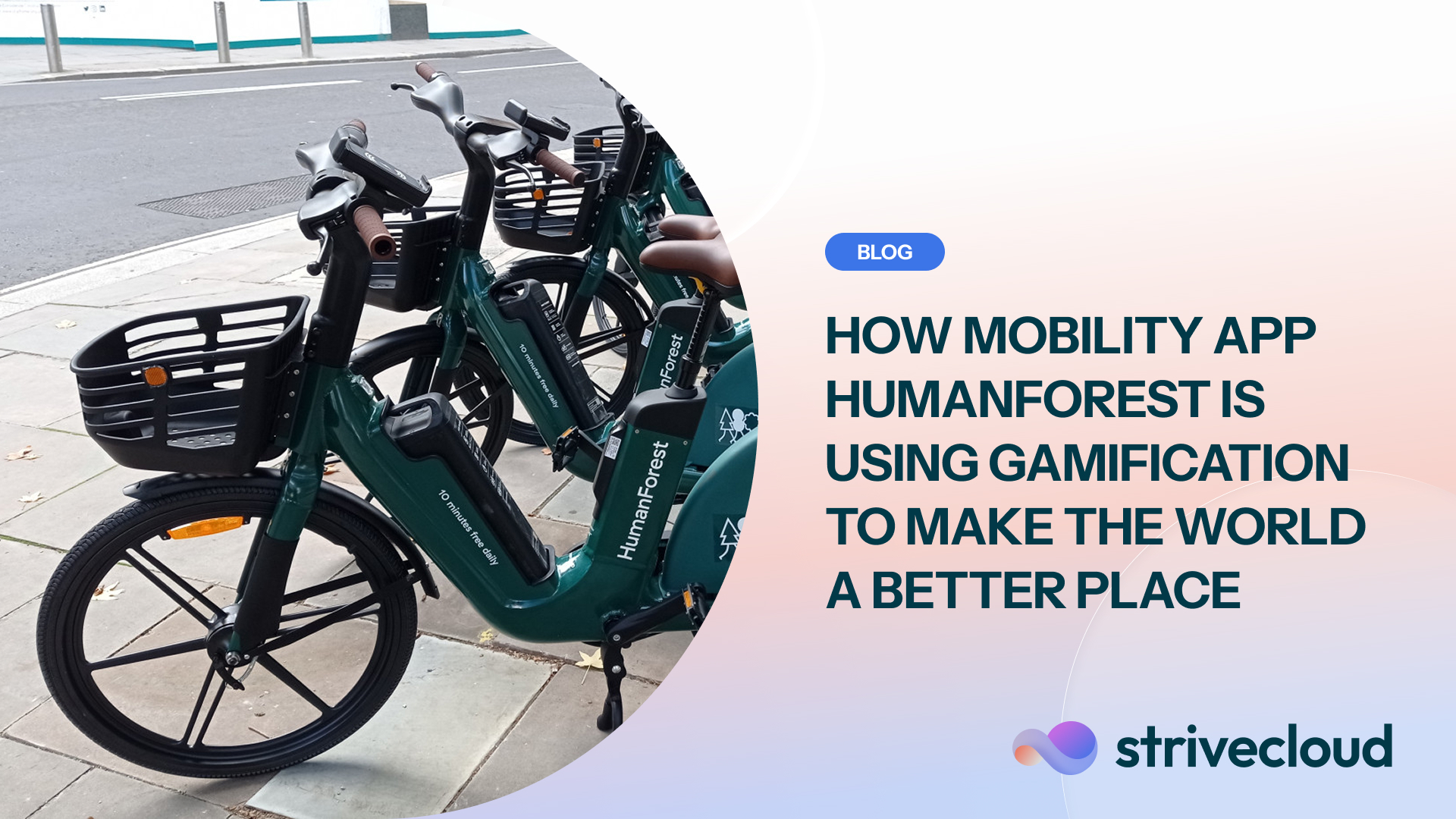




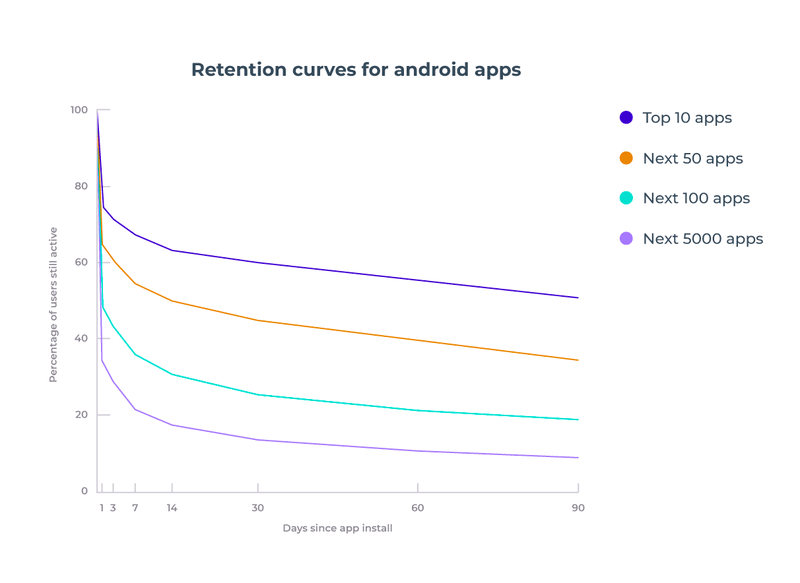


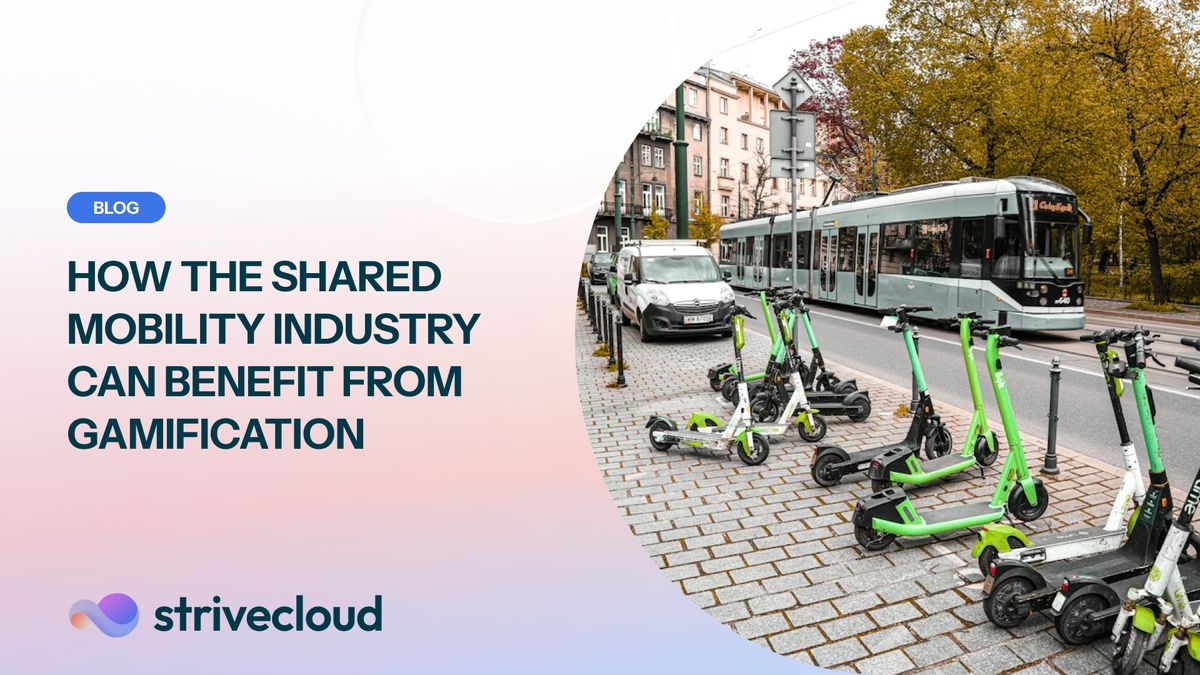
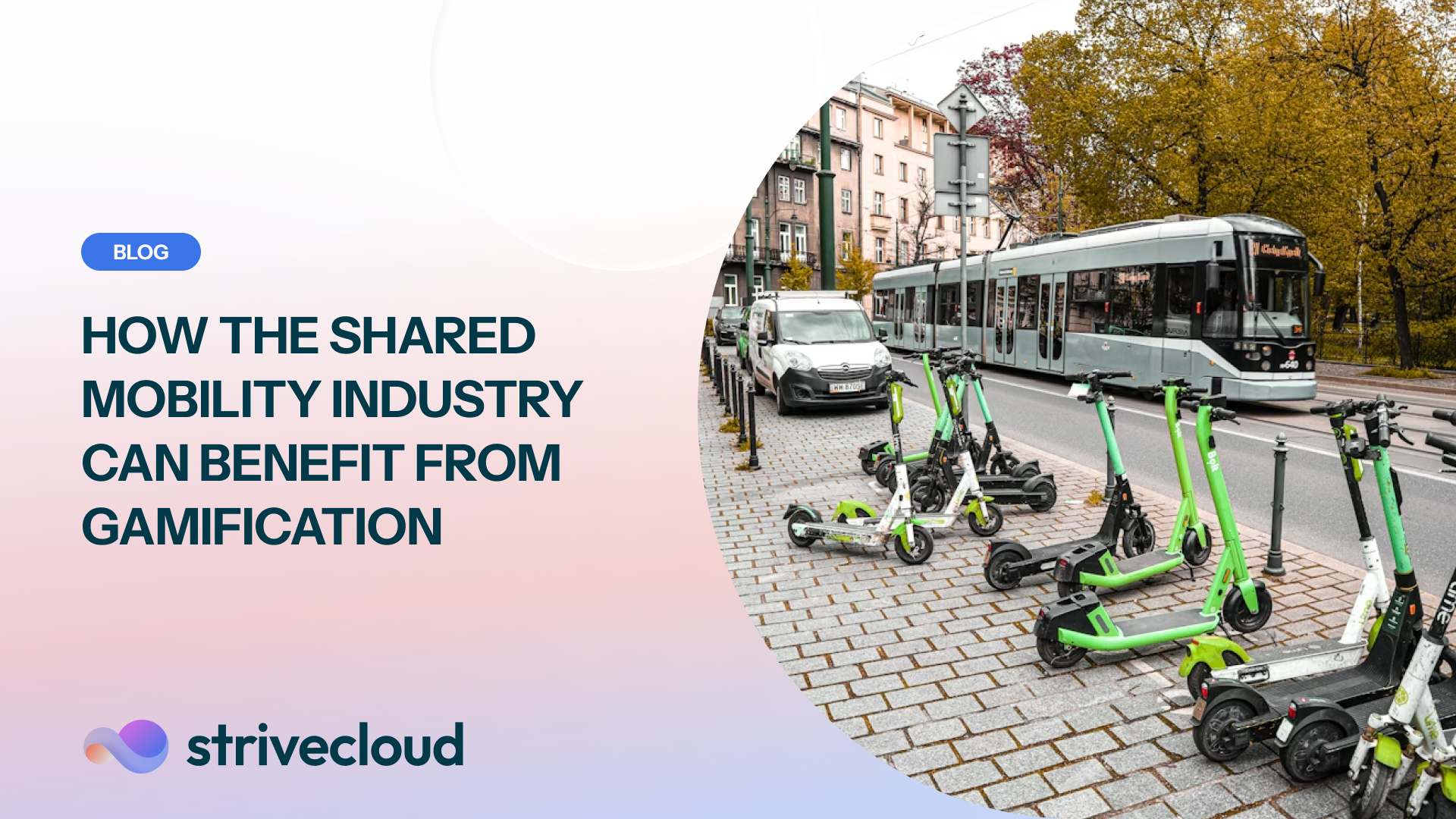


.png)



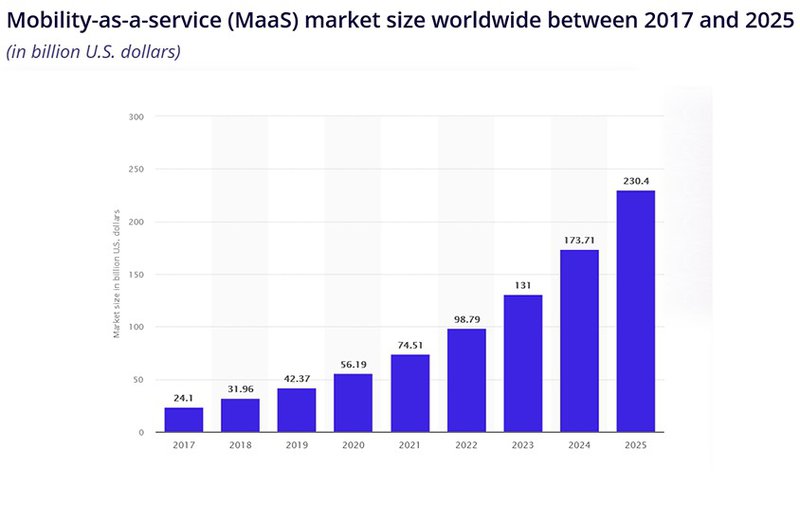

.jpeg)
.jpeg)


